Lift, Thrust, And Drag Explained
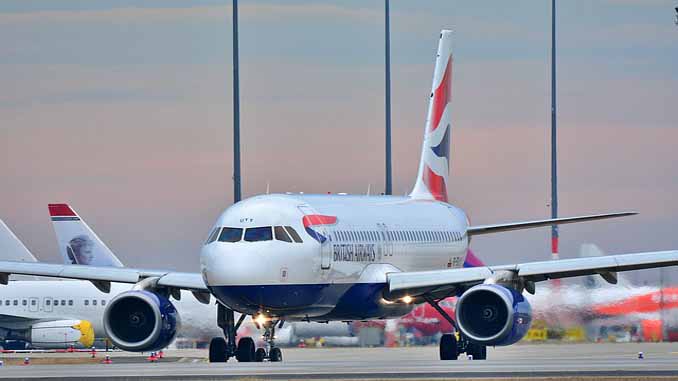
How Do Airplanes Stay In The Air?
Airplanes are incredible feats of engineering that allow humans to travel across vast distances at high speeds. But how do these heavy machines stay aloft, defying gravity? The principles of flight are governed by a combination of physics, aerodynamics, and engineering. Understanding the forces at play—such as lift, thrust, drag, and gravity—helps explain how airplanes are able to fly.
The Four Fundamental Forces Of Flight
Lift: Lift is the force that counteracts gravity, allowing the airplane to ascend and stay in the air. Lift is generated by the wings of the airplane, which are designed with specific shapes to create an upward force. The wing’s curved upper surface and flatter lower surface force air to move faster over the top, creating lower pressure above the wing and higher pressure beneath it. This pressure difference generates lift, which pushes the airplane upward.
Thrust: Thrust is the forward force that propels the airplane through the air. Thrust is typically produced by the airplane’s engines, which burn fuel and convert it into forward-moving energy. Jet engines, which are most commonly used in commercial and military aircraft, generate thrust by expelling high-velocity air or exhaust gases at the back of the aircraft, pushing it forward. Thrust must be greater than drag (air resistance) to keep the airplane moving forward.
Drag: Drag is the resistance force created by the air as the airplane moves through it. Drag slows down the aircraft, so overcoming drag is crucial to maintain speed and lift. Engineers design airplanes with streamlined shapes to reduce drag. Smooth surfaces, narrow fuselages, and optimized wing shapes all minimize drag, allowing the aircraft to fly more efficiently.
Gravity: Gravity pulls the airplane downward, creating the constant need for lift to counteract this force. Without sufficient lift, the airplane would not be able to stay aloft. Pilots adjust the plane’s altitude by managing the balance between lift and gravity, aided by controls like the elevator (which adjusts the angle of the wings).
Airplane Design And Aerodynamics
The design of airplanes plays a key role in maintaining flight. Modern airplanes are engineered with large, wide wings and lightweight yet strong materials to maximize lift while reducing drag. The wing shape, called an airfoil, is crucial for creating the lift needed to counteract gravity. The tilt of the wings (known as the angle of attack) also affects how much lift is generated. Pilots and engineers calculate these parameters carefully to ensure the plane stays airborne efficiently.
Airplanes stay in the air due to the balance of four key forces—lift, thrust, drag, and gravity. By generating lift through specialized wing designs, producing forward thrust with engines, minimizing drag through streamlined shapes, and counteracting gravity, airplanes are able to overcome the forces of nature and fly. This combination of principles has enabled the aviation industry to revolutionize travel and transportation.
