How We Think, Learn, And Remember
How Does The Human Brain Work?
The human brain is one of the most complex and remarkable organs in the body. It is responsible for controlling our thoughts, emotions, actions, and functions. With over 86 billion neurons, the brain processes vast amounts of information every second, allowing us to think, learn, and make decisions. But how exactly does the brain work, and what are the key components that contribute to its functioning?
Structure Of The Brain
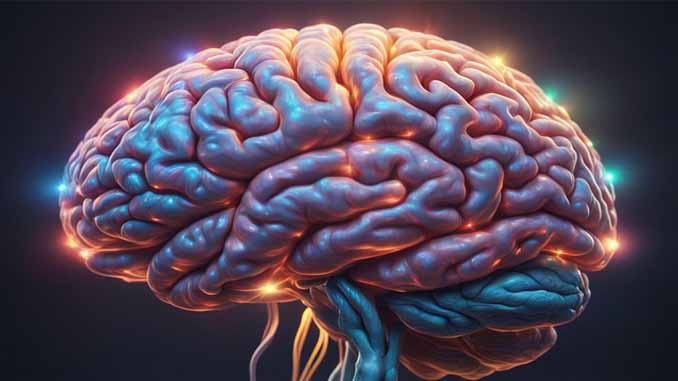
The brain is divided into three main parts: the cerebrum, cerebellum, and brainstem. Each of these regions has distinct roles in regulating different aspects of brain function.
Cerebrum: The largest part of the brain, the cerebrum is divided into two hemispheres (left and right) and is responsible for higher cognitive functions such as thinking, memory, decision-making, and language.
Cerebellum: Located beneath the cerebrum, the cerebellum plays a key role in coordination, balance, and motor control.
Brainstem: This region connects the brain to the spinal cord and controls essential functions such as breathing, heart rate, and sleep.
Neurons And Synapses
The brain is composed of billions of neurons, specialized cells that transmit information throughout the brain and body. Neurons communicate with one another through synapses, which are tiny gaps between neurons where signals are transmitted. Electrical signals travel along neurons, allowing for the rapid exchange of information.
Neurons communicate using neurotransmitters, chemicals that carry messages across synapses. Examples of neurotransmitters include dopamine, serotonin, and acetylcholine, each of which plays a role in regulating mood, memory, and other brain functions.
Brain Function And Cognitive Processes
Thinking And Decision-Making: The cerebrum’s frontal lobe is primarily responsible for higher-order thinking, reasoning, and decision-making. It allows us to evaluate options, plan actions, and solve problems.
Memory And Learning: The hippocampus, located within the cerebrum, is crucial for forming and storing memories. Learning new information strengthens neural connections, which helps the brain process and retain knowledge over time.
Emotions: The limbic system, which includes the amygdala and hippocampus, plays a key role in regulating emotions like fear, pleasure, and motivation. These regions help process emotional responses, aiding in our interactions with the world.
Sleep And Consciousness: The brainstem controls functions like sleep and wakefulness. Sleep is essential for memory consolidation, brain restoration, and maintaining optimal cognitive function.
Brain Plasticity And Adaptability
One of the brain’s remarkable features is its neuroplasticity—the ability to adapt and reorganize itself in response to new experiences, learning, or injury. This flexibility allows the brain to form new connections, strengthen existing ones, and adapt to changes, even in adulthood. For example, if part of the brain is damaged, other regions can often compensate and take over certain functions.
The human brain is a complex organ that governs virtually every aspect of our lives. From processing sensory information to making decisions and regulating emotions, the brain’s intricate structure and interconnected neurons enable us to think, learn, and function. Advances in neuroscience continue to reveal the brain’s astonishing capabilities and provide deeper insights into how we understand the world.
