Understanding The Science Behind Immunity
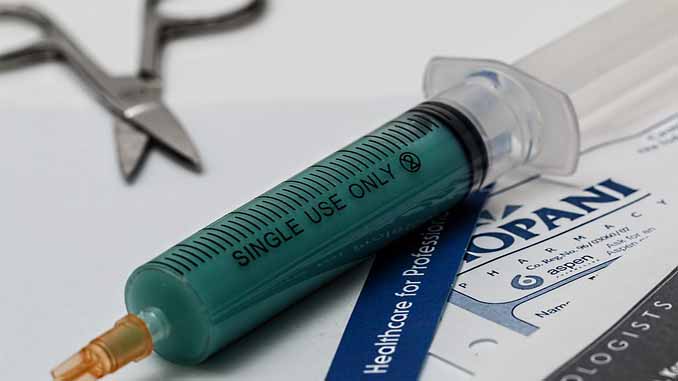
How Do Vaccines Work?
Vaccines are powerful tools that have saved millions of lives by preventing the spread of infectious diseases. But how exactly do vaccines work to protect individuals and entire populations from illnesses? The process involves stimulating the body’s immune system to recognize and fight off specific pathogens, such as viruses or bacteria. Let’s explore the science behind how vaccines work and the key mechanisms that contribute to immunity.
The Role Of The Immune System
The human immune system is designed to defend the body against harmful pathogens, like viruses and bacteria, that can cause disease. When a pathogen enters the body, the immune system identifies it as foreign and mounts a response to eliminate it. This involves the production of antibodies—proteins that specifically target and neutralize the pathogen.
How Vaccines Stimulate The Immune System
Vaccines work by simulating a natural infection, but in a safer, controlled way. They introduce a small, harmless piece of the pathogen (such as a weakened or inactivated form of the virus, or just parts like proteins) into the body. This triggers the immune system to recognize the pathogen as a threat. However, because the vaccine doesn’t cause the full-blown disease, it primes the immune system without making the person sick.
Antigen Presentation: The vaccine presents antigens (parts of the pathogen, like proteins) to the immune system. These antigens are identified as foreign, prompting immune cells to react.
Activation Of Immune Response: In response to the antigens, specialized immune cells—such as T-cells and B-cells—are activated. B-cells produce antibodies that target and neutralize the pathogen, while T-cells help destroy infected cells and remember the pathogen.
Memory Cells Formation: One of the most important aspects of vaccination is the creation of memory cells. These long-lived cells “remember” the pathogen, so if the person is exposed to the actual pathogen in the future, the immune system can respond more quickly and effectively, preventing the disease from taking hold.
Types Of Vaccines
There are several types of vaccines, each designed to provoke an immune response in different ways:
Live Attenuated Vaccines: These contain weakened forms of the live pathogen that trigger a strong immune response without causing the disease. Examples include the MMR (measles, mumps, rubella) vaccine.

Inactivated Vaccines: These use killed or inactivated forms of the pathogen, such as the flu vaccine.
Subunit, Conjugate, And Protein-Based Vaccines: These use specific proteins from the pathogen, like the HPV vaccine.
mRNA Vaccines: A newer type, mRNA vaccines like the COVID-19 vaccines instruct cells to produce a small piece of the pathogen (like a spike protein) to stimulate an immune response.
Benefits Of Vaccination
Vaccines have led to the control and near-eradication of many deadly diseases, such as smallpox and polio. By reducing the spread of infections, vaccines protect not only those who are vaccinated but also the broader population through “herd immunity,” which helps prevent outbreaks.
Vaccines work by stimulating the immune system to recognize and remember pathogens, leading to the production of antibodies and immune cells that can fight off future infections. Through their ability to provide protection without causing the disease, vaccines have become a critical tool in safeguarding public health.