Defending The Body Against Diseases
How Does The Immune System Work?
The immune system is the body’s defense mechanism against harmful pathogens, such as viruses, bacteria, fungi, and other foreign invaders. It plays a crucial role in protecting us from infections and maintaining overall health. Understanding how the immune system functions helps explain how our bodies fight off illnesses and stay healthy.
Key Components Of The Immune System
The immune system consists of a complex network of cells, tissues, and organs that work together to identify and eliminate harmful substances. Major components include:
White Blood Cells (Leukocytes): These are the primary players in immune defense. They include various types of cells, such as lymphocytes (T-cells and B-cells), macrophages, and neutrophils.
Lymphatic System: A network of lymph nodes, vessels, and organs that help transport immune cells and monitor pathogens.
Bone Marrow: The site where immune cells are produced, including white blood cells like B-cells and T-cells.
Thymus Gland: Plays a critical role in the development of T-cells.
Spleen: Filters blood, helping to identify and remove pathogens.
Immune Response: Innate and Adaptive Immunity
The immune system is divided into two main types of immunity:
Innate Immunity: This is the body’s first line of defense and provides general protection against pathogens. It includes physical barriers such as skin, mucous membranes, and stomach acid that prevent pathogens from entering the body.
White Blood Cells like macrophages and neutrophils play a key role by engulfing and destroying invading pathogens.

Adaptive Immunity: This is a more specific, long-term response that develops after exposure to a particular pathogen. It involves the recognition of specific antigens (proteins on pathogens) and the formation of memory cells, allowing the immune system to respond more effectively if exposed to the same pathogen in the future.
T-cells attack infected cells and help activate B-cells.
B-cells produce antibodies that specifically target and neutralize pathogens.
How Antibodies And Memory Cells Work
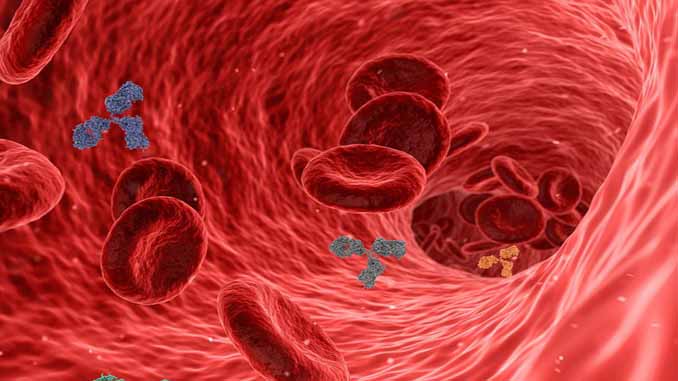
Antibodies: Produced by B-cells, antibodies are proteins that bind to specific antigens on pathogens, marking them for destruction by other immune cells like macrophages.
Memory Cells: Once the immune system has encountered a pathogen, it creates memory cells that “remember” the pathogen. If the same pathogen re-enters the body, these memory cells allow the immune system to mount a faster and stronger response, preventing illness.
Vaccination And The Immune System
Vaccines work by simulating a real infection, triggering an adaptive immune response without causing the disease. This helps the body build memory cells specific to a pathogen, offering long-term protection.
The immune system is a sophisticated network that protects the body from infections by identifying and destroying harmful pathogens. It relies on both innate and adaptive responses, ensuring long-term immunity and maintaining overall health. Understanding how the immune system works is key to preventing and combating diseases.