A Reflection Of Traditions And Beliefs
How Do Cultures Express Themselves Through Art?
Art has long served as a powerful means for cultures to express their identities, traditions, values, and beliefs. Throughout history, people have created visual, auditory, and performative art to communicate their experiences, convey cultural narratives, and reflect the unique aspects of their way of life. From paintings and sculptures to music, dance, and literature, art is a vital tool through which cultures express themselves, preserving their heritage while adapting to contemporary influences.
Art As A Reflection Of Cultural Identity
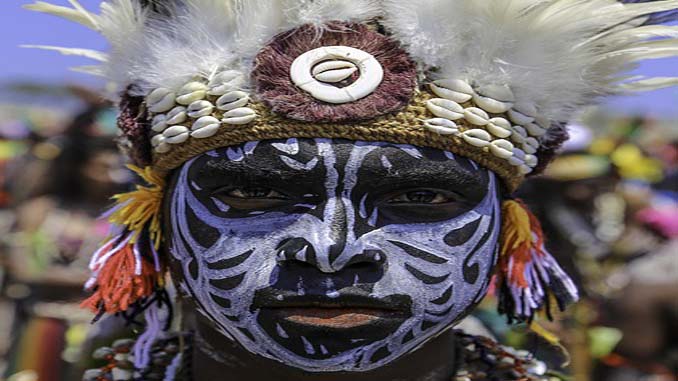
One of the primary ways cultures express themselves through art is by showcasing their unique cultural identity. Traditional art forms—such as indigenous carvings, traditional costumes, or folk music—are often deeply rooted in a culture’s history, customs, and beliefs. For example, the intricate designs of African textiles, the vibrant colors of Mexican murals, and the detailed patterns of Persian carpets are all expressions of cultural identity. These artistic forms serve as visual symbols of a community’s values, beliefs, and heritage, helping to define who they are as a people.
Art And Storytelling
Art also plays a crucial role in storytelling and the transmission of cultural narratives. Many cultures use art to tell stories, passing down myths, legends, and historical events from generation to generation. Through visual art, like murals or illustrations, oral traditions such as folk tales, and performances like dance or theater, cultures document their history and important cultural moments. For example, Native American cave paintings often depict ancestral stories, while African masks are used in rituals to convey spiritual beliefs.
These artistic expressions preserve collective memories and ensure that cultural knowledge is not lost over time.
Cultural Symbols And Iconography
Art often incorporates symbols and iconography that are unique to a specific culture. These symbols—whether they are motifs, colors, or patterns—carry deep meaning and convey cultural values. For example, in Chinese art, the use of dragons often symbolizes strength, power, and good fortune, while in Hindu art, the lotus represents purity and enlightenment.

Cultural art frequently uses these symbols to communicate abstract ideas, concepts, and beliefs that are central to a community’s identity. These visual elements act as a bridge between tradition and modernity, enabling cultural expression to evolve while retaining its core meaning.
Cultural Art And Rituals
Many cultures express themselves through ritualistic art forms tied to religious or spiritual practices. These rituals often involve music, dance, visual art, or theatrical performances, creating a deep connection between art and spirituality. For instance, Hindu temples are adorned with elaborate sculptures and carvings depicting deities and mythological stories. In African cultures, dance and music are integral to spiritual ceremonies, often involving vibrant costumes, masks, and drumming.
Through these ritualistic art forms, cultures express their beliefs, foster communal unity, and seek to connect with the divine or the supernatural.
Modern Cultural Art And Global Influence
In today’s interconnected world, cultures continue to express themselves through art in ways that are influenced by global trends. The rise of modern art forms like hip-hop, graffiti, and digital media has allowed cultures to blend traditional elements with contemporary influences. For example, Japanese anime combines ancient storytelling traditions with modern animation techniques, while Brazilian samba blends African and European rhythms.
These hybrid art forms reflect the influence of globalization while preserving cultural roots, showcasing how cultures continue to adapt and evolve their expressions in response to changing contexts.
Cultures express themselves through art in myriad ways—through visual symbols, storytelling, ritual practices, and modern creative forms. By preserving traditions and adapting to contemporary influences, art remains a powerful medium through which cultures articulate their values, beliefs, and identity. Whether rooted in ancient practices or modern innovations, cultural art provides a window into the diverse expressions of human life.