A Champion Of Civil Rights
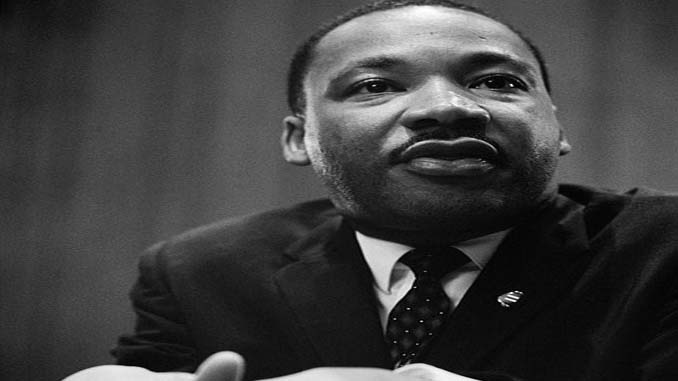
Who Was Martin Luther King Jr.?
Martin Luther King Jr. was a pivotal figure in the American Civil Rights Movement, whose leadership and vision for equality and justice left an enduring impact on the United States and the world. Born on January 15, 1929, in Atlanta, Georgia, King rose to prominence as a powerful advocate for civil rights, advocating nonviolent resistance to end racial segregation and discrimination.
Early Life And Education
Born Into A Legacy Of Activism: Martin Luther King Jr. was born into a family deeply rooted in activism. His father, Martin Luther King Sr., was a Baptist minister and a prominent leader in the civil rights movement. From a young age, King was exposed to the struggles of African Americans and the fight for equality.
King attended segregated schools in Atlanta, Georgia, and excelled academically. He graduated from high school at the age of 15 and went on to earn a degree from Morehouse College, a historically Black college.
He later pursued further education, earning a doctorate in theology from Boston University. During this period, King was deeply influenced by the teachings of Mahatma Gandhi and the philosophy of nonviolent resistance.
The Civil Rights Movement And Leadership
Leader Of Nonviolent Resistance: King became a prominent leader in the Civil Rights Movement in the 1950s and 1960s. He believed in the power of nonviolence and peaceful protest to challenge the entrenched systems of racial segregation and discrimination.
One of King’s most significant contributions was his leadership in the Montgomery Bus Boycott (1955-1956), a pivotal event in the struggle for civil rights. This boycott was a direct response to the refusal of a Black woman, Rosa Parks, to give up her seat on a segregated bus. The boycott led to a Supreme Court ruling declaring segregation on public transportation unconstitutional.
The March On Washington And “I Have A Dream” Speech: In 1963, King delivered his famous “I Have a Dream” speech during the March on Washington for Jobs and Freedom. In this powerful address, King outlined his vision for a future where people would be judged by the content of their character, not the color of their skin.

The speech became a defining moment in the Civil Rights Movement, advocating for racial equality and justice.
Leadership In Legislation: King’s efforts were instrumental in the passage of the Civil Rights Act of 1964 and the Voting Rights Act of 1965, which outlawed discrimination based on race, ethnicity, and gender.
Legacy And Influence
Champion Of Nonviolence And Equality: Martin Luther King Jr. is remembered as a symbol of peace, equality, and justice. His philosophy of nonviolence continues to inspire activists and leaders around the world.
His leadership and commitment to civil rights helped dismantle systemic racism in the United States and contributed to the broader struggle for human rights globally.
Recognition And Commemoration: King was awarded the Nobel Peace Prize in 1964 for his efforts to combat racial inequality using nonviolent means. His birthday, January 15, is now recognized as Martin Luther King Jr. Day, a federal holiday in the United States dedicated to honoring his life and contributions.
King’s legacy endures through various institutions, memorials, and movements dedicated to promoting racial equality, social justice, and nonviolent activism.
Martin Luther King Jr. was more than a civil rights leader; he was a visionary whose commitment to justice and equality shaped the trajectory of American history. His tireless work and powerful speeches continue to inspire people worldwide to fight for the principles of justice, equality, and nonviolent resistance.