A balanced meal plan is the foundation of a healthy diet, helping to ensure that you get the right combination of macronutrients—protein, carbohydrates, and fats—and essential vitamins and minerals your body needs. By focusing on balance, you can support energy levels, promote weight management, and reduce the risk of chronic health conditions. Here’s a step-by-step guide to building a meal plan that promotes overall wellness.
1. Understand Your Nutritional Needs
The first step in building a balanced meal plan is understanding your specific nutritional needs. Consider factors such as age, gender, activity level, and health goals (e.g., weight loss, muscle gain, or managing chronic conditions). Use guidelines like the USDA’s MyPlate model, which recommends a balanced intake of protein, carbohydrates, and healthy fats.

2. Create Balanced Macronutrient Ratios
A well-balanced meal includes all three macronutrients:
Protein: Provides the building blocks for muscles, enzymes, and hormones. Sources include lean meats, poultry, fish, tofu, legumes, and eggs.
Carbohydrates: Serve as your body’s primary energy source. Choose whole grains like brown rice, quinoa, oats, and starchy vegetables such as sweet potatoes and beans.
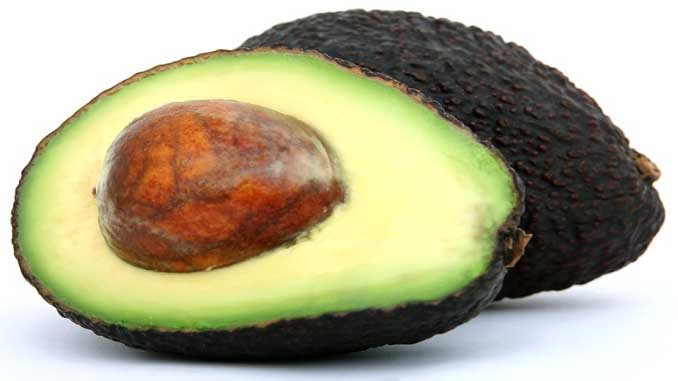
Fats: Healthy fats from sources like avocados, nuts, seeds, and olive oil support brain function and hormone production.
Aim to divide your plate roughly into:
40% carbohydrates (for energy)
30% protein (for muscle and tissue repair)
30% healthy fats (for sustained energy and hormonal balance)
3. Incorporate A Variety Of Nutrient-Dense Foods
A balanced meal plan doesn’t just focus on macronutrients—it also emphasizes a wide variety of nutrient-dense foods. Include plenty of fruits, vegetables, whole grains, lean proteins, and healthy fats to ensure you’re getting a broad spectrum of vitamins, minerals, and antioxidants. Each food group plays a role in promoting overall health.
Fruits And vegetables: Aim for at least 5 servings of colorful produce daily. They’re rich in fiber, vitamins, and minerals.
Whole grains: Provide essential nutrients like fiber and B vitamins that support digestive health.
Protein sources: Focus on lean proteins such as chicken, fish, legumes, and plant-based options like tofu.
Healthy fats: Include sources like avocados, olive oil, nuts, seeds, and fatty fish like salmon.
4. Plan Meals With Portion Control In Mind
Portion control is key to maintaining a balanced meal plan. Overeating can lead to excess calorie intake, while under-eating may leave you feeling unsatisfied. Use your hand as a general guide for portion sizes:
Protein: A palm-sized portion
Carbohydrates: A cupped handful
Fats: A thumb-sized portion
Portion control helps ensure you’re eating enough to fuel your body without overeating.
5. Meal Prep And Plan Ahead
Meal planning and prep can help you stick to your balanced meal plan. Spend time preparing meals in advance, batch cooking, and organizing your fridge and pantry to reduce the temptation of unhealthy food choices. Prepping meals ensures you have balanced options readily available, which reduces decision fatigue and helps you stay on track.
Building a balanced meal plan involves understanding your nutritional needs, prioritizing macronutrient ratios, incorporating a variety of nutrient-dense foods, practicing portion control, and planning ahead. Following these steps ensures you can maintain a healthy diet and achieve your wellness goals.