A Unique Connection
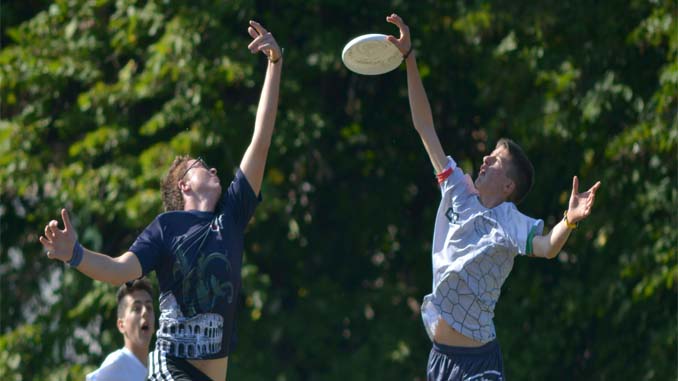
Flying disc sports, which include Ultimate Frisbee, disc golf, and freestyle Frisbee, have a fascinating connection with counterculture movements that emerged in the 1960s and 1970s. These sports embody the spirit of rebellion, inclusivity, and alternative lifestyles that characterized the counterculture era. In this article, we’ll explore the intertwined history of flying disc sports and the counterculture movement.
The counterculture movement of the 1960s and 1970s was a response to the prevailing social norms and institutions of the time. It championed ideas of peace, love, and freedom, and questioned traditional authority and societal values. It was during this era that flying disc sports emerged as a form of recreational and competitive activities that perfectly aligned with the counterculture’s ethos.
One of the most iconic flying disc sports, Ultimate Frisbee, was born in 1968 when a group of students at Columbia High School in Maplewood, New Jersey, came up with a new game involving a Frisbee. They emphasized self-officiation, teamwork, and a rejection of traditional hierarchy, mirroring the counterculture’s principles of grassroots empowerment and autonomy. The sport quickly spread, capturing the imagination of those who sought alternatives to mainstream sports.
Disc golf, which originated in the early 1970s, shared a similar countercultural connection. The sport involved throwing a disc into a metal basket instead of a traditional hole, challenging the conventions of golf. Disc golf courses often sprung up in alternative and natural settings, away from traditional golf courses, reflecting the counterculture’s affinity for nature and outdoor experiences.

Freestyle Frisbee, characterized by spinning, twirling, and trick throws, gained popularity in the 1970s as a form of artistic expression. Freestyle Frisbee’s fluid movements and emphasis on creativity resonated with the counterculture’s celebration of individualism and unconventional art forms.
These flying disc sports became accessible to people of all backgrounds, genders, and abilities, aligning with the counterculture’s inclusive nature. It was not uncommon to see mixed-gender teams in Ultimate Frisbee, a concept that was far from the norm in traditional sports during that era.
One of the most enduring aspects of the counterculture movement’s influence on flying disc sports is the emphasis on sportsmanship, fair play, and self-policing. Players in these sports continue to uphold a strong sense of community and a commitment to resolving disputes amicably, mirroring the counterculture’s preference for peaceful conflict resolution.
The legacy of flying disc sports and their connection to the counterculture movement is a testament to the enduring influence of a bygone era. These sports continue to thrive, attracting a diverse community of enthusiasts who embrace their rebellious spirit and values. The counterculture’s ethos of peace, love, and alternative lifestyles lives on through flying disc sports, which have become a symbol of freedom, inclusion, and fun.