A Synergistic Relationship
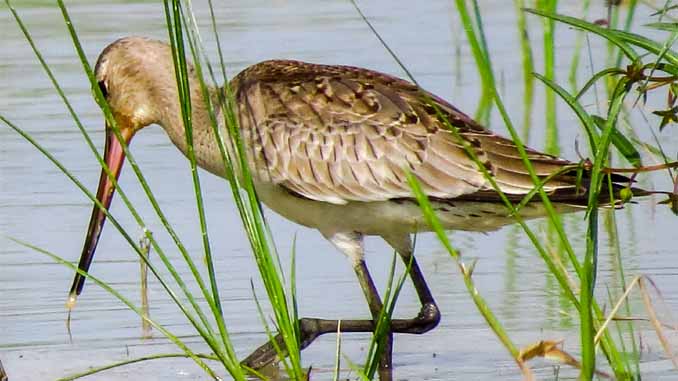
Birdwatching, the age-old hobby of observing birds in their natural habitats, goes hand in hand with the vital mission of conservation. It’s not just a recreational pursuit; it’s a powerful tool for raising awareness, gathering data, and fostering a deep connection with the natural world. In this article, we will explore the synergistic relationship between birdwatching and conservation.
Fostering A Love For Nature: Birdwatching introduces people to the beauty and wonder of the avian world. It’s a gateway to a lifelong love affair with nature. By fostering an appreciation for birds and their habitats, birdwatching enthusiasts are more likely to become advocates for conservation.
Citizen Science: Birdwatchers often contribute to valuable citizen science projects. Organizations like the Audubon Society and eBird encourage birdwatchers to record their sightings and observations. These data provide crucial insights into bird populations, migration patterns, and habitat trends, aiding in scientific research and conservation planning.
Monitoring Bird Populations: Birdwatchers, with their keen eyes and field experience, are excellent at monitoring bird populations. They can detect fluctuations in bird numbers, identify rare or threatened species, and report unusual events like mass migrations or bird die-offs. This information is vital for conservationists to understand the health of ecosystems.
Habitat Protection: Birdwatchers often advocate for the preservation of important bird habitats. Birding communities and organizations engage in campaigns to protect critical nesting areas, stop deforestation, and promote the establishment of nature reserves. This grassroots effort can have a significant impact on local and global conservation initiatives.

Education And Outreach: Birdwatching is a compelling tool for environmental education. Bird clubs, workshops, and guided tours offer opportunities for people of all ages to learn about birds and their conservation needs. These experiences help individuals connect with the natural world and inspire them to support conservation efforts.
Promoting Responsible Tourism: Birdwatching can drive sustainable tourism. Birdwatchers who respect the birds’ well-being and habitats can set an example for other tourists. This, in turn, can encourage the development of eco-friendly tourism practices that benefit local economies and preserve natural areas.
Conservation Funding: Birdwatchers often contribute to conservation through donations and membership fees to organizations dedicated to protecting birds and their habitats. The funds raised by these organizations are used for research, habitat restoration, and advocacy.
Lobbying For Conservation Policies: Birdwatching communities can be powerful advocates for bird-friendly policies. They can lobby for legislation to protect migratory birds, ban harmful pesticides, and promote sustainable land use practices. Their collective voice can influence decision-makers at various levels of government.
Birdwatching is more than just a hobby; it’s a force for conservation. By connecting people with nature and equipping them with the knowledge and passion to protect it, birdwatching enthusiasts play a crucial role in the preservation of bird species and their habitats. This harmonious relationship between birdwatching and conservation is a testament to the positive impact that individuals, working collectively, can have on the health of our planet. So, if you’re a birdwatcher or considering taking up the hobby, remember that your observations and actions can contribute to the preservation of the avian world for generations to come.