Key Sports Injury Prevention Principles
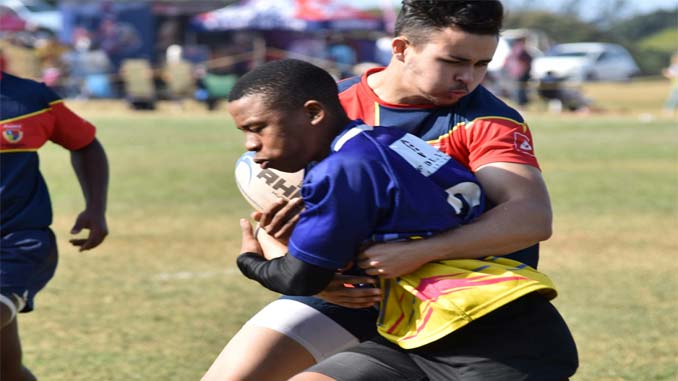
Engaging in sports and physical activities is not only a source of enjoyment but also a means of promoting physical fitness and overall well-being. However, sports-related injuries can be a significant obstacle to athletic progress. To ensure a safe and rewarding sports experience, athletes must adhere to key injury prevention principles. In this article, we’ll explore these principles to help you stay injury-free and continue excelling in your chosen sport.
1. Warm-Up And Cool-Down: The warm-up and cool-down routines are fundamental to injury prevention. A proper warm-up involves light aerobic exercises, dynamic stretching, and mobility drills to prepare the body for physical activity. The cool-down includes static stretching and gentle exercises to gradually decrease heart rate and prevent muscle tightness.
2. Strength And Conditioning: Maintaining overall body strength and conditioning is crucial to injury prevention. A well-rounded strength training program helps stabilize joints, improve muscle balance, and enhance overall physical resilience.
3. Flexibility And Mobility: Flexibility is key to injury prevention. Incorporating regular stretching exercises into your routine improves joint range of motion and reduces the risk of muscle strains and tears. Dynamic stretching before activity and static stretching afterward are both beneficial.
4. Proper Technique And Form: One of the primary causes of sports injuries is incorrect form and technique. To prevent injuries, athletes should receive proper coaching to ensure they are using correct form when participating in their sport.

5. Gradual Progression: Avoid the temptation to push your limits too quickly. Progress should be gradual and based on your current fitness level. Rapidly increasing the intensity or duration of workouts can lead to overuse injuries.
6. Listen To Your Body: Pain is a signal from your body that something is wrong. Ignoring pain or discomfort can lead to more severe injuries. If you experience pain during physical activity, stop immediately and seek medical advice.
7. Appropriate Footwear: Wearing the right footwear for your specific sport is crucial. Ill-fitting or worn-out shoes can lead to instability and injury. Consult experts or specialists to choose the correct footwear for your needs.
8. Cross-Training: Incorporating a variety of activities into your training regimen is an effective injury prevention strategy. Cross-training helps avoid overuse injuries by using different muscle groups and movements.
9. Hydration And Nutrition: Proper hydration and nutrition are essential for athletic success and injury prevention. Dehydration can lead to muscle cramps, while a well-balanced diet provides the necessary fuel for optimal performance and recovery.
10. Rest And Recovery: Athletes need adequate rest and recovery to perform at their best and reduce injury risk. Overtraining can lead to fatigue and increased vulnerability to injury. Plan rest days into your training schedule and prioritize quality sleep.
11. Injury Prevention Workshops: Many sports organizations offer injury prevention workshops and classes. These sessions provide athletes with specific techniques to prevent injuries in their chosen sport and often include expert insights.
12. Consultation With Healthcare Professionals: If you have pre-existing conditions or are unsure about your fitness routine’s suitability, consult healthcare professionals, physical therapists, or sports medicine experts. They can offer personalized guidance for injury prevention.
Adhering to these sports injury prevention principles is essential for athletes looking to safeguard their well-being and athletic success. By incorporating these principles into your training and competition, you can reduce the risk of injuries, allowing you to enjoy your sport while striving for excellence. Remember, a balanced approach, proper coaching, and attentive self-care are the keys to a safe and rewarding sports experience.