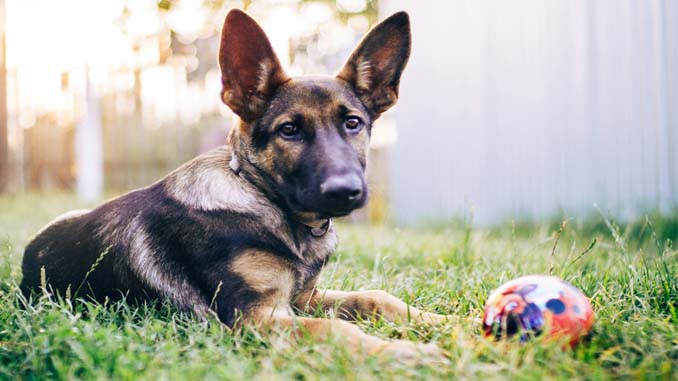
Dogs go through various stages of development as they grow from curious puppies into mature adults. Understanding these stages is essential for responsible pet ownership and can help you provide the right care and training at each phase. In this article, we will explore the key stages of canine development.
Stage 1: Neonatal Stage (0-2 Weeks)
The neonatal stage begins from birth and lasts for the first two weeks of a puppy’s life. During this time, puppies are entirely dependent on their mother and littermates. They are born blind, deaf, and unable to regulate their body temperature. Their primary activities include nursing, sleeping, and staying close to their mother for warmth and nourishment.
Stage 2: Transitional Stage (2-4 Weeks)
The transitional stage marks the period from two to four weeks of age. Puppies start to experience significant development during this time. They begin to open their eyes, hear, and gain some control over their movements. Socialization with their littermates and mother is crucial for learning important social and communication skills.
Stage 3: Socialization Stage (3-14 Weeks)
The socialization stage is a critical period that usually spans from 3 to 14 weeks. During this time, puppies are highly impressionable. They become more curious and open to new experiences. It’s an ideal time to expose them to various people, animals, environments, and situations. Proper socialization can help prevent fear and aggression issues later in life.
Stage 4: Juvenile Stage (3-6 Months)
The juvenile stage occurs from three to six months of age. Puppies go through rapid growth and development during this period. They may experience teething, increased energy levels, and a stronger desire to explore their surroundings. Obedience training should begin during this phase to instill basic commands and good manners.

Stage 5: Adolescent Stage (6-18 Months)
The adolescent stage spans from six to 18 months. This stage is characterized by the dog’s transition into sexual maturity. Behavioral changes and challenges can emerge, including increased independence, the testing of boundaries, and sometimes a resurgence of puppy-like behavior. It’s essential to maintain consistent training and provide appropriate outlets for their energy.
Stage 6: Early Adulthood (1-3 Years)
Early adulthood typically starts around one year of age and continues until around three years. Dogs become physically and mentally mature, and their behavior stabilizes. They are more capable of advanced training and can participate in various activities, such as agility or advanced obedience training.
Stage 7: Adulthood (3+ Years)
Adulthood in dogs generally begins around three years of age, but the timeline can vary by breed and size. During this stage, dogs are considered fully mature. They maintain their physical and mental abilities but may start to slow down with age. It’s crucial to continue regular veterinary care and adjust exercise and dietary needs to meet their changing requirements.
Understanding the stages of canine development is essential for providing proper care and training throughout a dog’s life. Each stage comes with its unique challenges and opportunities for growth. By recognizing these stages and tailoring your approach to your dog’s specific needs, you can foster a happy and well-adjusted canine companion at every phase of their development.