Understanding Cat Hunting Instincts
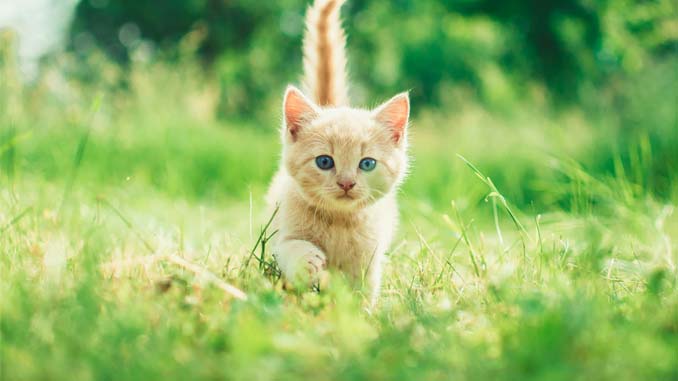
Cats have long been admired for their hunting prowess, and their innate predatory instincts are deeply ingrained in their DNA. These instincts have been honed over millennia, making cats remarkably effective hunters. In this article, we will delve into the fascinating world of cat hunting instincts, exploring the reasons behind their hunting behavior and its impact on their lives as domestic companions.
1. Origins Of Hunting Instincts: Cats are natural-born hunters, a trait they inherited from their wild ancestors. In the wild, hunting is essential for survival, providing cats with food, exercise, and mental stimulation. These instincts have persisted through domestication, and even pampered indoor cats retain a strong desire to hunt.
2. Instinctual Behaviors:
Cat hunting instincts are manifested through various behaviors:
Stalking: Cats often stalk their prey by crouching low and moving stealthily. This behavior can be observed when they watch birds through a window or engage in interactive play with toys.
Pouncing: The classic pounce is a vital hunting skill. Cats will leap onto their prey, displaying precise timing and agility.
Capture And Kill: After pouncing, cats use their sharp claws and teeth to catch and subdue their prey. While domestic cats don’t necessarily intend to kill, they practice this behavior during play.
Playful Ambushes: Cats engage in playful ambushes with other pets or even unsuspecting humans. These antics serve as a form of practice for real hunting.
3. Benefits Of Hunting Instincts:
Hunting instincts offer several advantages for cats:
Mental Stimulation: Hunting behavior keeps a cat’s mind sharp and active. It provides a sense of purpose and wards off boredom.

Exercise: Hunting-related activities, such as stalking and pouncing, provide physical exercise that contributes to a cat’s overall well-being.
Bonding: Engaging in play that mimics hunting allows cats to bond with their owners and build trust.
4. Managing Hunting Instincts In Indoor Cats:
Indoor cats have fewer opportunities to satisfy their hunting instincts naturally. To ensure their well-being, consider the following:
Interactive Toys: Provide toys that mimic prey animals or objects to satisfy their hunting desires.
Regular Playtime: Spend quality time engaging in interactive play with your cat. Toys that dangle, move unpredictably, or encourage chasing can be particularly effective.
Rotate Toys: Cats may become bored with the same toys over time. Rotate their toys to keep playtime engaging.
Outdoor Enclosures: If possible, create a safe outdoor enclosure or a “catio” where your cat can experience the outdoors without the dangers of roaming freely.
5. Safeguarding Wildlife: It’s essential to be aware that hunting instincts can pose a threat to local wildlife. Cats may harm birds and small mammals when allowed to roam outdoors. To protect both your cat and local wildlife, consider using a harness and leash for outdoor time, or ensure your yard is secure.
Cat hunting instincts are a fundamental aspect of their nature. Understanding and accommodating these instincts with play, toys, and safe outdoor experiences can lead to a healthier, happier, and more fulfilled feline companion. By providing opportunities for your cat to express their hunting behavior, you are respecting and nurturing their innate desires while strengthening your bond as a responsible and caring cat owner.