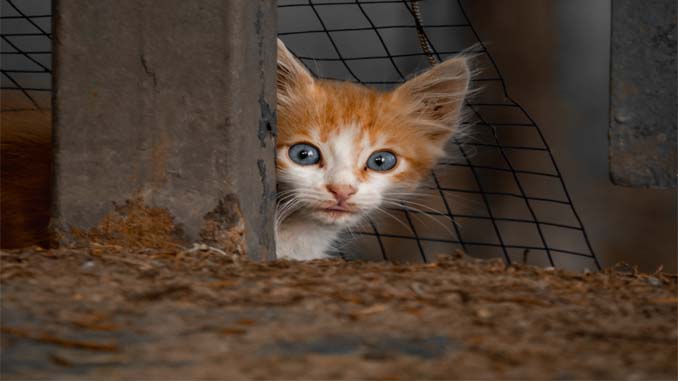
Cats are typically known for their grace, independence, and playful nature. However, there are instances when a cat’s behavior takes a sharp turn, and aggression becomes a concern for cat owners. Understanding the underlying causes of cat aggression and implementing appropriate management strategies are crucial for fostering a safe and harmonious environment for both your feline companion and yourself.
Types Of Cat Aggression:
Cat aggression can manifest in several forms, each with its own causes and triggers. The common types include:
Fear Aggression: Cats may lash out when they feel threatened or cornered. This type of aggression often occurs in response to unfamiliar people, animals, or environments.
Territorial Aggression: Cats are territorial animals, and they may become aggressive when they perceive an intrusion into their space. This type of aggression is often triggered by other cats.
Play Aggression: Kittens and young cats frequently engage in play aggression, which involves pouncing, biting, and scratching. While it may seem playful, it can escalate if not managed properly.
Redirected Aggression: This occurs when a cat becomes agitated by a stimulus (e.g., another cat outside the window) and then redirects its aggression onto a nearby person or pet.
Pain-Related Aggression: Cats in pain may exhibit aggression as a defensive response. It’s essential to rule out any underlying medical issues in cases of sudden aggression.
Understanding The Causes:
To address cat aggression effectively, it’s essential to identify the root causes. Common contributing factors include:
Socialization issues during kittenhood.
Lack of mental and physical stimulation.
Sudden changes in the cat’s environment.
Presence of other animals in the household.
Undiagnosed medical conditions causing pain or discomfort.
Fear or anxiety due to past traumatic experiences.
Managing Cat Aggression:
Consult A Veterinarian: If you notice a sudden change in your cat’s behavior, especially if it’s accompanied by signs of illness or discomfort, consult a veterinarian. Pain-related aggression should be ruled out.
Implement Environmental Enrichment: Ensure your cat has a stimulating environment with toys, scratching posts, and safe places to retreat to. Mental and physical stimulation can reduce aggressive tendencies.

Gradual Introductions: If you have multiple cats, introduce them slowly and gradually. Keep them separated at first, and use scent-swapping techniques to help them become familiar with each other’s scents.
Positive Reinforcement: Use positive reinforcement techniques, such as treats and praise, to reward good behavior. Encourage desirable behaviors and discourage aggression.
Avoid Punishment: Avoid punishing your cat for aggressive behavior, as it can exacerbate the issue and create more fear and stress.
Consult A Professional: In severe cases of cat aggression, consult a professional animal behaviorist or a certified feline behavior consultant who can provide expert guidance and tailor a behavior modification plan.
Medication: In certain situations, such as chronic anxiety or aggression issues, your veterinarian may recommend medication as part of a comprehensive management plan.
Cat aggression can be distressing, but it’s important to remember that with patience, understanding, and appropriate strategies, it can often be managed and mitigated. The key is to identify the type and cause of aggression and implement a customized approach to help your cat feel safe, secure, and content in their environment.