What Your Feline Friend Is Saying
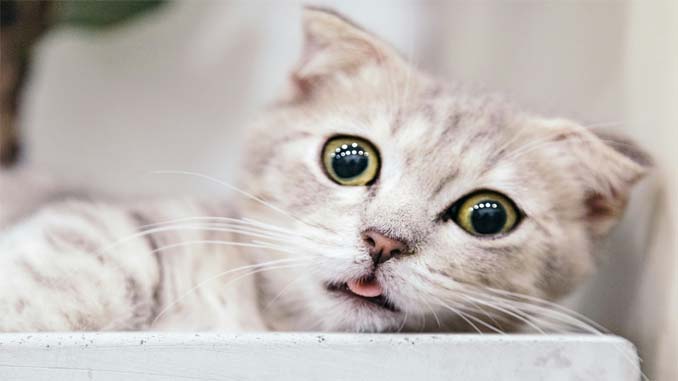
Cats are renowned for their subtle yet rich communication skills. While they may not bark, meow, or wag their tails as dogs do, feline communication is a complex and nuanced system that involves various vocalizations, body language, and even scent marking. In this article, we’ll delve into the fascinating world of cat communication and explore the many ways your feline friend expresses their thoughts, emotions, and needs.
1. Vocalizations:
Cats are not mute creatures. They communicate through a variety of vocalizations, and each one conveys a distinct message:
Meowing: Meowing is perhaps the most well-known cat vocalization. Cats may meow to greet you, ask for food, or seek attention. The tone and intensity of the meow can provide clues about their feelings.
Purring: Purring is generally a sign of contentment, but cats may also purr when in pain or discomfort, as it can be a self-soothing mechanism.
Hissing And Growling: These vocalizations are defensive and signify fear or aggression. A cat hisses or growls when feeling threatened or cornered.
Chirping And Chattering: Some cats make chirping or chattering sounds when they observe birds or small prey animals outside. It’s believed to be an expression of excitement or frustration.
2. Body Language:
Cats use their bodies to convey a multitude of messages:
Tail Position: The position of a cat’s tail is a significant indicator of their mood. A high, straight tail often means they are happy or confident, while a puffed-up tail indicates fear or aggression.
Ears: The position of a cat’s ears is essential. Forward-facing ears suggest interest, while flattened ears signal anger or distress.
Whiskers: When a cat’s whiskers are relaxed and fanned out, it often signifies contentment. When they are pulled back tightly against the face, it may indicate fear or aggression.
Eye Contact: A slow blink from a cat is a sign of trust and affection. Prolonged direct eye contact, on the other hand, may be seen as a challenge or a threat.

3. Body Posture:
A cat’s overall body posture speaks volumes:
Arched Back: A cat with an arched back, often with fur raised, is displaying fear or aggression. This posture can make the cat appear larger and more intimidating.
Rolling Over: When a cat rolls onto its back, it may signal submission and trust. However, it’s essential to observe other cues as well, as some cats do this before playfully attacking.
4. Scent Marking: Cats have scent glands on their cheeks, paws, and tail base. They use these glands to mark their territory, objects, and even their human companions. When your cat rubs their face against you or furniture, it’s a sign of ownership and affection.
Understanding cat communication is a valuable skill for cat owners. It helps build a stronger bond with your feline friend and ensures you can meet their needs and understand their emotional states. By paying attention to their vocalizations, body language, and overall behavior, you can develop a deeper connection with your cat and provide them with the care and attention they require.