A Comparative Exploration
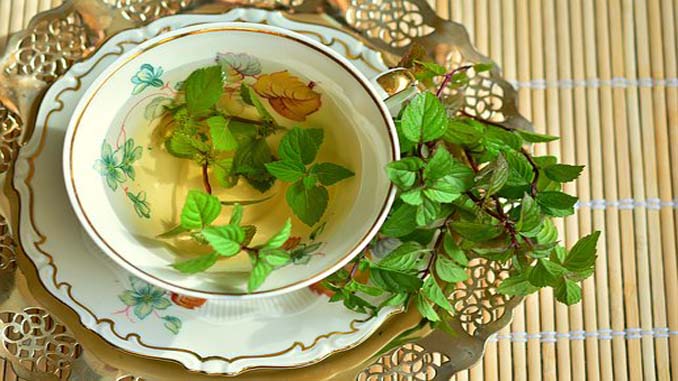
The use of herbal remedies to address various health concerns is an ancient practice with roots dating back thousands of years. However, in our modern era, where pharmaceuticals and advanced medical treatments are readily available, the debate between traditional and modern herbal remedies has gained momentum. In this article, we’ll explore the key differences and similarities between traditional and modern herbal remedies and examine the contexts in which each approach shines.
Traditional Herbal Remedies
Traditional herbal remedies are deeply ingrained in the history and culture of societies worldwide. They are often passed down through generations and rely on the accumulated knowledge and practices of indigenous communities. Here are some of their defining characteristics:
Cultural Significance: Traditional herbal remedies carry cultural significance and are often closely tied to the identity and heritage of specific communities. They reflect the wisdom and experience of generations past.
Holistic Approach: Traditional remedies often take a holistic approach, considering not only physical symptoms but also emotional and spiritual aspects of well-being. They emphasize the interconnectedness of body, mind, and spirit.
Time-Tested: Traditional remedies have withstood the test of time, proving their efficacy over centuries of use. Their long history speaks to their value and reliability.
Plant Synergy: Traditional remedies often use whole plants or plant parts, believing that the synergy of various compounds within the plant is key to their therapeutic effect.
Modern Herbal Remedies
Modern herbal remedies, on the other hand, represent a more recent evolution of herbal medicine. They integrate traditional knowledge with modern scientific understanding and technology. Here are some key aspects of modern herbal remedies:

Scientific Validation: Modern herbal remedies benefit from extensive scientific research and clinical studies. They undergo rigorous testing to confirm their efficacy and safety.
Standardization: Modern herbal remedies often involve the extraction and standardization of active compounds. This ensures consistent dosages and reliable results.
Integration With Conventional Medicine: Modern herbal remedies are frequently used alongside conventional medical treatments in integrative medicine. This approach offers patients a broader range of therapeutic options.
Quality Control: Modern herbal remedies adhere to quality control standards, addressing concerns about variability and contamination often associated with traditional preparations.
Balancing Tradition And Innovation
Both traditional and modern herbal remedies have their merits, and the choice between them often depends on individual preferences and circumstances. In some cases, traditional remedies may offer a holistic approach that resonates with individuals seeking a deep connection to cultural heritage and natural healing. On the other hand, modern herbal remedies provide the advantage of scientific validation, safety standards, and the ability to integrate them into mainstream healthcare.
The traditional vs. modern herbal remedies debate underscores the dynamic nature of herbal medicine. While traditional practices offer a rich tapestry of holistic healing wisdom, modern approaches bring rigor and innovation. Ultimately, the choice between these two paths may depend on an individual’s health goals, cultural ties, and the desire for evidence-based, holistic, or complementary healthcare solutions.