A Recipe For Success
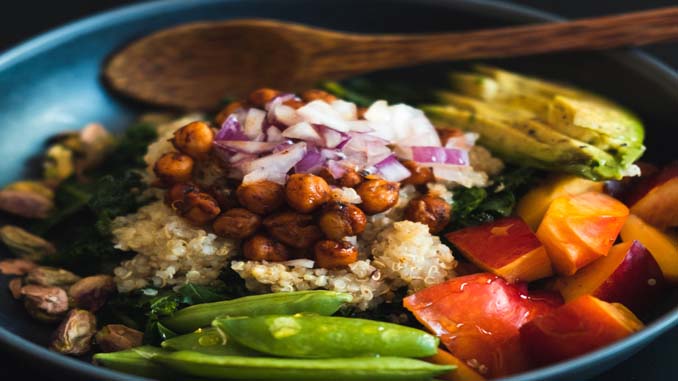
Gluten-free meal planning is a crucial aspect of maintaining a healthy and balanced diet when you have gluten sensitivity or celiac disease. Even if you’re choosing a gluten-free lifestyle for other health reasons, effective meal planning is the key to ensuring you get the nutrients you need while avoiding gluten-containing foods. In this article, we will explore the fundamentals of gluten-free meal planning and how to make it a seamless part of your daily routine.
1. Understand Your Dietary Needs: Before you dive into meal planning, it’s essential to understand your dietary needs. If you have celiac disease or gluten sensitivity, you must eliminate all sources of gluten. If you’re choosing a gluten-free lifestyle for other reasons, you may have more flexibility but should still prioritize nutritious options.
2. Create A Balanced Plate: When planning gluten-free meals, aim to create a balanced plate that includes protein, vegetables, and gluten-free grains. This combination ensures you get a variety of nutrients and keeps your meals satisfying and filling.
3. Stock Your Kitchen: Ensure your kitchen is well-stocked with gluten-free essentials. This includes gluten-free grains like rice, quinoa, and gluten-free pasta, as well as a variety of proteins, fresh fruits, vegetables, and gluten-free cooking staples like gluten-free flours.
4. Explore Gluten-Free Recipes: There is a plethora of gluten-free recipes available online and in cookbooks. These resources can provide inspiration and guidance for creating delicious gluten-free meals. Experiment with new recipes to keep your meals interesting and flavorful.
5. Plan Ahead: Effective meal planning involves thinking ahead. Set aside time each week to plan your meals, create a shopping list, and prepare some elements in advance, such as washing and chopping vegetables. This will make meal preparation more efficient during the week.
6. Read Labels Carefully: When purchasing packaged foods, always read labels diligently. Look for the “gluten-free” label or certifications to ensure the product is safe. Also, be aware of potential hidden sources of gluten in ingredient lists.
7. Be Mindful When Dining Out: Eating out can be a bit more challenging, but it’s manageable with some careful planning. Research gluten-free-friendly restaurants in your area, and when dining out, communicate your dietary needs to the server. Many restaurants offer gluten-free menus or options.

8. Variety Is Key: A key to successful gluten-free meal planning is variety. Don’t rely on a few favorite dishes. Instead, incorporate a diverse range of ingredients, flavors, and cuisines to keep your meals exciting and nutritionally balanced.
9. Gluten-Free Snacks: Don’t forget about gluten-free snacks. Keep a selection of gluten-free snacks on hand to tide you over between meals, ensuring you don’t succumb to hunger pangs and make less healthy choices.
10. Seek Professional Guidance: If you have specific dietary concerns or complex health conditions, it’s advisable to consult a healthcare professional or a registered dietitian. They can provide personalized guidance on your gluten-free meal planning and ensure you’re meeting your nutritional needs.
Mastering gluten-free meal planning is essential for maintaining a healthy and enjoyable gluten-free lifestyle. By understanding your dietary needs, creating balanced plates, stocking your kitchen with gluten-free essentials, and exploring diverse recipes, you can ensure your gluten-free meals are both nutritious and delicious. Effective meal planning not only supports your health but also simplifies your daily routine and empowers you to make informed food choices. Whether you’re managing gluten sensitivity or embracing a gluten-free lifestyle for other reasons, the right approach to meal planning can make it a recipe for success.