Building A Sustainable Future
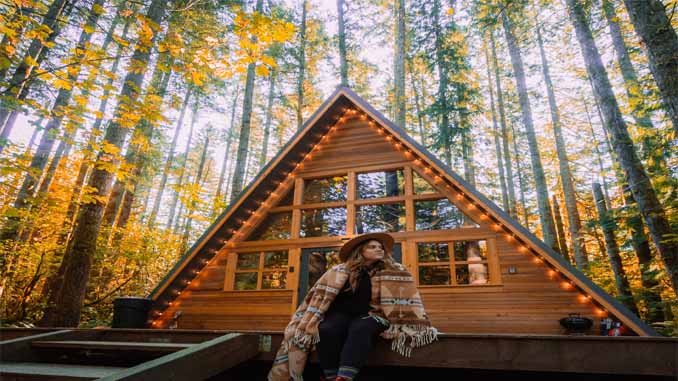
Eco-friendly homes, also known as green or sustainable homes, have gained significant attention in recent years as the world grapples with environmental challenges and the need for responsible living. These homes represent a conscious effort to reduce the ecological footprint of residential buildings, making them more energy-efficient, environmentally responsible, and economically sound.
The core principle of eco-friendly homes is to minimize the negative impact on the environment while maximizing the use of renewable and sustainable resources. Here are some key elements of eco-friendly homes:
Energy Efficiency: Eco-friendly homes are designed to be highly energy-efficient. They often feature better insulation, energy-efficient windows and doors, and advanced heating and cooling systems. These features reduce energy consumption and lower utility bills.
Renewable Energy: Many eco-friendly homes incorporate renewable energy sources such as solar panels and wind turbines. These technologies harness clean, sustainable energy from the sun and wind, reducing dependence on fossil fuels.
Water Conservation: Sustainable homes often feature water-saving appliances and fixtures. Rainwater harvesting and greywater recycling systems are also utilized to reduce water consumption, which is especially important in regions facing water scarcity.
Use Of Sustainable Materials: The construction of eco-friendly homes emphasizes the use of sustainable and recyclable building materials. This includes materials like bamboo, reclaimed wood, recycled glass, and low-VOC (volatile organic compound) paints to improve indoor air quality.

Passive Design: Passive design principles make use of natural elements like sunlight, wind, and shade to control the temperature and lighting within a home. This reduces the need for artificial heating, cooling, and lighting.
Green Roofs And Walls: Eco-friendly homes may incorporate green roofs and walls with vegetation that improves insulation, air quality, and aesthetics. Green spaces on rooftops and walls contribute to reduced urban heat islands and improved biodiversity.
Waste Reduction: These homes prioritize waste reduction through practices like on-site composting and recycling. Design elements can also allow for deconstruction and recycling of materials when the home reaches the end of its life cycle.
Indoor Air Quality: Eco-friendly homes focus on creating a healthy living environment. Enhanced ventilation systems, non-toxic building materials, and air filtration systems are implemented to improve indoor air quality.
Sustainable Landscaping: The use of native plants, natural landscaping, and xeriscaping (water-efficient landscaping) reduces the need for irrigation and chemical fertilizers, promoting a more sustainable outdoor environment.
Smart Home Technology: Integration of smart home technology enhances energy efficiency and convenience. Residents can monitor and control energy use, security, and other systems via their smartphones and devices.
Eco-friendly homes are not just a trend but a necessity. The environmental benefits of these homes are clear, as they reduce greenhouse gas emissions, lower resource consumption, and conserve water. Moreover, eco-friendly homes often lead to reduced utility costs, making them economically appealing to homeowners in the long run.
As our world faces the urgent need to address climate change and environmental degradation, the adoption of eco-friendly homes is a positive step toward creating a more sustainable and responsible future. Whether through new construction or retrofitting existing homes, eco-friendly living is becoming an essential part of the global shift towards a greener and more sustainable way of life.