Shaping A Sustainable Future
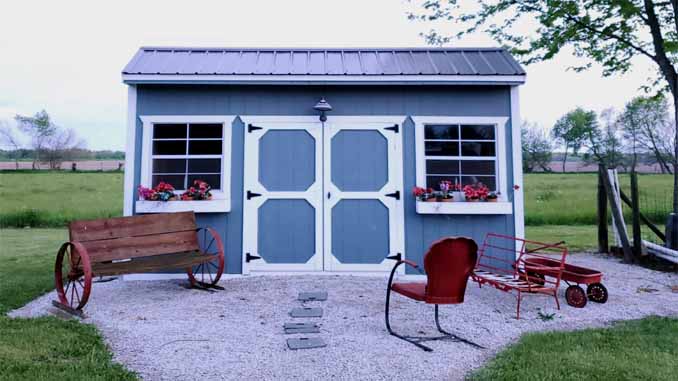
Eco-friendly design, also known as green design or sustainable design, is an innovative approach that combines aesthetics, functionality, and environmental responsibility. It focuses on creating products, buildings, and spaces that reduce their environmental impact while improving the quality of life for their users. This design philosophy is a response to the urgent need to address climate change and reduce the strain on Earth’s finite resources.
Key principles of eco-friendly design include:
Resource Efficiency: Eco-friendly design aims to minimize waste by using materials efficiently. This includes selecting sustainable, recyclable, and renewable materials and designing products and spaces with minimal environmental impact.
Energy Efficiency: Energy-efficient design is a central aspect of eco-friendly design. This involves creating structures and products that require less energy to operate, thus reducing greenhouse gas emissions and energy costs.
Sustainable Materials: The use of eco-friendly materials, such as reclaimed wood, recycled metals, and low-VOC (volatile organic compounds) paints, is a cornerstone of eco-friendly design. These materials have lower environmental impacts and contribute to healthier indoor air quality.
Waste Reduction: Eco-friendly design encourages the reduction of waste at all stages, from manufacturing and construction to product use and disposal. This can include designing for disassembly and recycling.

Biomimicry: Biomimicry is a concept in eco-friendly design where designers draw inspiration from nature’s solutions to complex problems. By imitating nature’s strategies, designers can create more sustainable and efficient products and buildings.
Energy-Efficient Appliances and Systems: In architecture and interior design, eco-friendly design often incorporates energy-efficient appliances, lighting, and heating, ventilation, and air conditioning (HVAC) systems.
Water Efficiency: Eco-friendly design includes water-saving features such as low-flow faucets, dual-flush toilets, and rainwater harvesting systems. These measures reduce water consumption and promote water conservation.
Adaptive Reuse: In architecture and interior design, adaptive reuse is a strategy that involves repurposing existing buildings or structures rather than demolishing and building anew. This reduces waste and preserves historical and cultural significance.
Renewable Energy: Many eco-friendly designs incorporate renewable energy sources such as solar panels and wind turbines to reduce reliance on fossil fuels.
Biophilic Design: Biophilic design integrates nature into the built environment, incorporating natural elements like plants, water features, and natural light to improve well-being and connect occupants with nature.
Eco-friendly design is not limited to architecture and interior design; it extends to various products, from clothing and transportation to consumer electronics and packaging. Sustainable products are designed to last longer, be easily repaired, and have a smaller environmental footprint throughout their lifecycle.
Eco-friendly design is a creative and forward-thinking approach that addresses the environmental challenges of our time. It emphasizes resource efficiency, energy conservation, waste reduction, and the use of sustainable materials. Eco-friendly design is not only responsible but also practical, as it often results in cost savings and improved well-being for users. As the global awareness of environmental issues continues to grow, eco-friendly design will play a pivotal role in shaping a more sustainable and responsible future for our planet. By prioritizing eco-friendly design, we can take a significant step toward mitigating the impact of human activities on the environment and creating a more harmonious coexistence with the natural world.