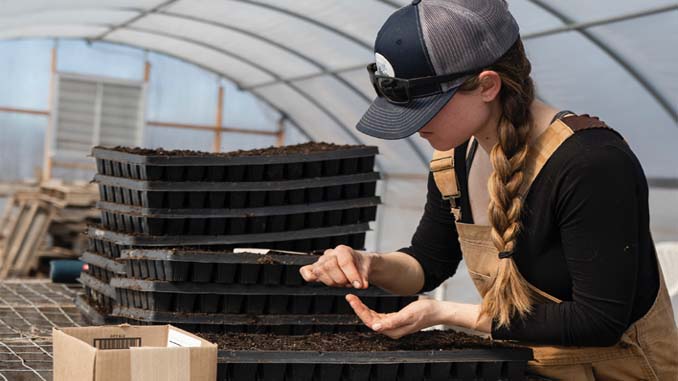
Greenhouse farming has emerged as a transformative force in modern agriculture, revolutionizing the way we grow crops and ensuring a sustainable food supply for an ever-expanding global population. These enclosed structures, typically constructed of glass or transparent materials, create a controlled environment that offers a plethora of benefits, from extended growing seasons to precise environmental control. In this article, we’ll explore the world of greenhouse farming, its advantages, and the promising future it holds.
The Rise Of Greenhouse Farming
Greenhouse farming, also known as protected cultivation, has witnessed a significant surge in popularity over recent decades. This surge can be attributed to several factors, including the increasing demands for year-round crop production, the need for protection against adverse weather conditions, and the conservation of resources in a sustainable manner.

Year-Round Crop Production
One of the most notable advantages of greenhouse farming is the ability to grow crops throughout the year, regardless of the external climate. Greenhouses provide a stable and controlled environment where temperature, humidity, and light levels can be regulated to meet the specific needs of different crops. This means that farmers are not restricted to the traditional growing seasons, leading to increased crop diversity and a more reliable food supply.
Optimal Environmental Control
Greenhouses offer precise control over environmental factors. With advanced climate control systems, farmers can adjust temperature, humidity, and CO2 levels to create ideal conditions for plant growth. This level of control minimizes the impact of extreme weather events, pests, and diseases, resulting in higher crop yields and quality. It also allows for the cultivation of crops that might not thrive in local climates.
Resource Efficiency And Sustainability
Greenhouse farming is inherently resource-efficient. By retaining heat and moisture, greenhouses reduce water usage and protect against soil erosion. Additionally, the controlled environment minimizes the need for chemical pesticides, as pests are kept at bay. These sustainability benefits align with the increasing global focus on environmentally friendly farming practices.
Technology Integration
The integration of technology into greenhouse farming has been a game-changer. Automated systems, sensors, and data analysis tools enable precise monitoring and control of the greenhouse environment. Growers can receive real-time data on temperature, humidity, and crop health, allowing them to make informed decisions that optimize productivity and resource utilization.
Challenges And Future Prospects
While greenhouse farming offers numerous benefits, it’s not without its challenges. Initial setup costs can be high, and energy consumption for maintaining the controlled environment can be significant. However, ongoing innovations in renewable energy sources, as well as energy-efficient greenhouse designs, are addressing these issues.
Looking ahead, the future of greenhouse farming appears promising. As technology continues to advance, greenhouse systems will become more efficient and sustainable. Additionally, there is growing interest in urban greenhouse farming, which can reduce transportation costs and carbon emissions. Greenhouse farming also complements vertical farming and hydroponics, further expanding the possibilities for sustainable agriculture.
Greenhouse farming represents a vital step towards securing a sustainable and reliable food supply for our growing global population. Its ability to extend growing seasons, optimize resource use, and enhance crop quality makes it an essential component of modern agriculture. With ongoing technological advancements and a commitment to sustainability, greenhouse farming is poised to play an increasingly prominent role in shaping the future of farming and food production.