Creating A Beautiful And Thriving Garden
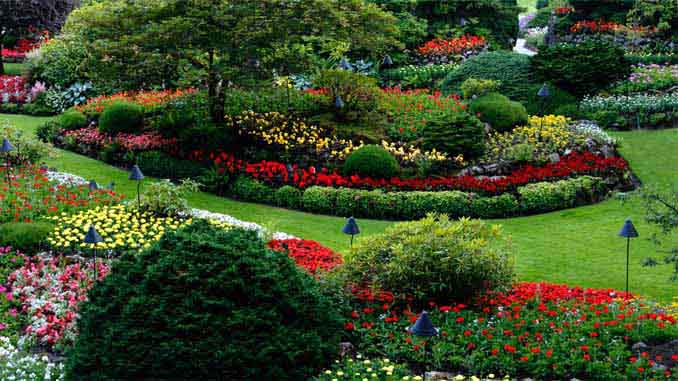
Choosing the right plants for your garden is a pivotal step in creating a beautiful and flourishing outdoor space. The process of plant selection is not just about aesthetics but also about understanding your garden’s unique conditions and the needs of the plants you wish to grow. In this article, we will explore the art of plant selection and provide valuable insights for creating a garden that thrives.
Assess Your Garden Conditions: Before you begin selecting plants, it’s essential to assess your garden’s conditions. Consider factors like sunlight, soil type, moisture levels, and climate. Some plants thrive in full sun, while others prefer shade. Some can tolerate dry conditions, while others need consistently moist soil. Understanding your garden’s unique environment is the first step in making informed plant selections.
Define Your Garden’s Purpose: What do you want to achieve with your garden? Are you looking to create a lush, private retreat, or do you aim to grow a bountiful vegetable garden? The purpose of your garden will greatly influence your plant selection. For example, a meditation garden may focus on fragrant and low-maintenance plants, while a vegetable garden will prioritize edible crops.
Choose Plants That Thrive In Your Climate: Plants that are native or well-suited to your climate are more likely to thrive. Native plants are adapted to the local conditions and require less maintenance. They also support local wildlife and pollinators.
Consider Growth Patterns: When selecting plants, consider their growth habits. Some plants are compact and tidy, while others can be sprawling or invasive. Be mindful of how each plant will fit into your garden’s design and its potential impact on nearby plants.
Balance Aesthetics: Think about the visual appeal of your garden. Balance is essential. Choose a variety of plants that offer different colors, textures, and heights. Create focal points and consider how the plants will look in different seasons, ensuring your garden remains visually appealing year-round.
Complement With Companion Plants: Some plants have natural affinities for others. Companion planting is a strategy where certain plants are grown together to enhance growth, deter pests, or improve flavor. For instance, planting basil with tomatoes can improve the flavor of both.

Be Mindful Of Maintenance: Consider your level of commitment to garden maintenance. Low-maintenance gardens may feature plants that require little attention, while high-maintenance gardens may include exotic or delicate species that need more care. Choose plants that align with your time and effort availability.
Don’t Overcrowd: Resist the temptation to overpopulate your garden. Give your plants adequate space to grow and breathe. Overcrowding can lead to competition for resources, such as sunlight and nutrients, and result in less healthy plants.
Experiment And Learn: Gardening is an ongoing learning process. Be open to experimentation and don’t be discouraged by occasional failures. Your garden will evolve over time, and you’ll develop a deeper understanding of what works best for your space.
Consult Experts: If you’re unsure about plant selection or have a specific vision for your garden, consider consulting with local gardening experts, nursery professionals, or horticulturists who can provide valuable guidance.
Plant selection is a creative and thoughtful process that can turn your garden into a thriving masterpiece. By considering your garden’s conditions, purpose, and aesthetics, you can make informed choices that lead to a garden that not only looks beautiful but also thrives in its environment.