The Heart Of Gardening Success
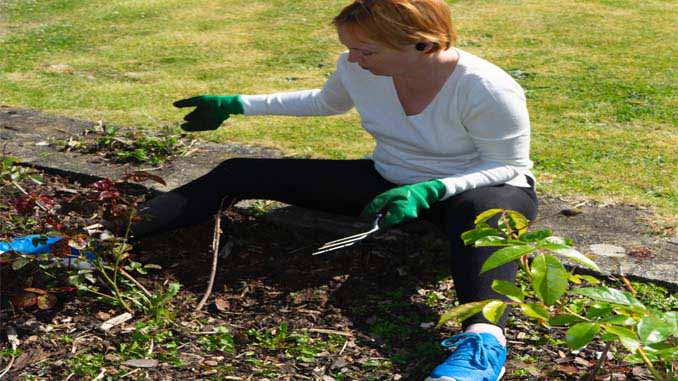
Nurturing plants is at the core of successful gardening. It’s not just about planting seeds or seedlings and walking away; it’s a dynamic and ongoing process that involves care, attention, and a touch of horticultural love. In this article, we will delve into the essential aspects of plant nurturing and provide tips to help your green companions flourish.
1. Watering Wisdom: Water is a lifeblood for plants, and getting the right balance is key. Different plants have varying water requirements, so it’s essential to understand the specific needs of each species in your garden. Factors like soil type, weather, and the stage of growth also play a role. Overwatering can lead to root rot, while underwatering can cause drought stress. Invest in a good watering schedule and the right tools, such as soaker hoses or drip irrigation, to maintain healthy moisture levels.
2. Soil Care: Healthy soil is the foundation of strong, vibrant plants. Regularly assess the quality of your garden soil and amend it as needed. Composting, mulching, and using organic matter can improve soil fertility and structure. Understanding your soil’s pH and nutrient levels will also help you select plants that are well-suited to your garden’s conditions.
3. Pruning And Deadheading: Pruning and deadheading are essential maintenance tasks that promote plant health and aesthetic appeal. Pruning involves trimming back overgrown or damaged branches, which encourages new growth and prevents disease. Deadheading is the removal of spent flowers to stimulate further blooms and keep the plant looking tidy.
4. Pest And Disease Management: Keep an eye out for common pests and diseases in your garden. Early detection and appropriate action are essential for preventing infestations. Consider using natural pest control methods to minimize the use of chemicals, which can harm beneficial insects and pollinators.
5. Fertilizing: Plants need nutrients to thrive, and fertilizing can provide a boost when your garden soil is lacking. Select a balanced, slow-release fertilizer and follow the recommended application rates. Over-fertilization can be harmful, so always adhere to the instructions on the product.
6. Mulching: Mulching is a beneficial practice that conserves moisture, suppresses weeds, and regulates soil temperature. Apply a layer of organic mulch around your plants to help maintain soil moisture and prevent temperature extremes.

7. Support And Staking: Tall or heavy plants often require support to prevent them from bending or breaking. Use stakes, cages, or trellises to prop up plants that might otherwise become too top-heavy.
8. Sunlight And Shelter: Different plants have varying light requirements, so it’s crucial to place them in the right spot in your garden. Some prefer full sun, while others thrive in shade. Consider the natural habitat of your plants to determine their ideal placement.
9. Observation And TLC: Regularly inspect your plants for signs of stress, disease, or nutrient deficiencies. Stay connected with your garden and provide the necessary care, whether that means adjusting watering routines, adding mulch, or addressing other issues promptly.
10. Love And Patience: Gardening is a labor of love, and nurturing plants requires patience. While it can be frustrating when things don’t go as planned, it’s essential to stay committed and adapt to changing circumstances. Gardening is a process of learning and growing, both for you and your plants.
Nurturing plants is the heart and soul of gardening. By giving your green companions the care and attention they deserve, you’ll not only witness their health and beauty flourish but also enjoy the satisfaction of a garden well-tended and thriving. Remember, the more love and care you invest in your plants, the more they will reward you with their beauty and vitality.