Gardening For Wildlife
Gardens are not just for human enjoyment; they can also serve as sanctuaries for wildlife. Gardening for wildlife is a practice that harmoniously coexists with nature, welcoming birds, insects, and small mammals into your outdoor space. In this article, we’ll explore the benefits of gardening for wildlife and provide tips for transforming your garden into a haven for critters of all kinds.
Why Garden For Wildlife?
Biodiversity: Gardening for wildlife supports local biodiversity. By providing a variety of plants and habitats, you attract a wide range of species, contributing to the health and balance of local ecosystems.
Pest Control: Many of the creatures you invite into your garden, such as birds and beneficial insects, are natural pest controllers. They help keep populations of garden-damaging insects in check.

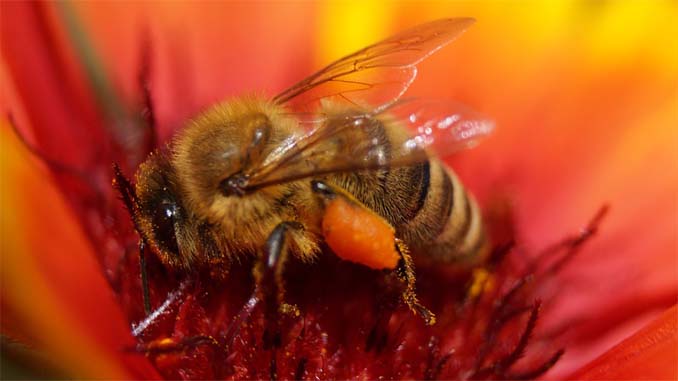
Pollinators: Gardens that attract pollinators like bees and butterflies ensure the successful pollination of plants, leading to bountiful harvests of fruits, vegetables, and flowers.
Education: Gardening for wildlife is an educational opportunity for children and adults alike. Observing the behavior and interactions of birds, insects, and other creatures fosters a deeper appreciation for nature.
Aesthetics: A garden designed for wildlife can be a beautiful and thriving oasis, filled with the sights and sounds of the natural world. It can be a serene and inviting place for human enjoyment.
Tips For Gardening For Wildlife:
Plant Native Species: Native plants provide food and habitat for local wildlife. Research which plants are native to your area and incorporate them into your garden.
Provide Water: Birds, insects, and other wildlife need water for drinking and bathing. Install a birdbath or a small pond to offer a water source.
Habitat Diversity: Create a variety of habitats in your garden, including meadows, woodlands, and wetland areas. Different creatures require different types of environments.
Shelter And Nesting Sites: Incorporate birdhouses, bat boxes, and bee hotels to provide shelter and nesting opportunities for various species.
Avoid Chemicals: Avoid the use of pesticides and herbicides, as these can harm the wildlife you’re trying to attract. Embrace natural methods for pest control and weed management.
Composting: Composting kitchen and garden waste creates rich, nutrient-dense soil that benefits both your plants and the creatures in your garden.
Leave Wild Areas: Don’t be too quick to tidy up your garden. Leave some areas wild and untamed, as they provide important cover and foraging opportunities for wildlife.
Feeding Stations: Set up bird feeders and hummingbird feeders to supplement the natural food sources in your garden, especially during winter when food can be scarce.
Educate Yourself: Learn about the native wildlife in your area, their needs, and how to create a welcoming environment for them.
Enjoying The Results: As your garden transforms into a haven for wildlife, take the time to observe and appreciate the various creatures that visit. From the hummingbird sipping nectar from your flowers to the butterfly sunbathing on a leaf, your garden will become a thriving ecosystem that you can enjoy and be proud of.
Gardening for wildlife is a rewarding and fulfilling endeavor. It not only enhances the beauty of your garden but also fosters a deeper connection with the natural world. By nurturing a space where wildlife can flourish, you play a vital role in the preservation and support of local ecosystems.