A Journey Of Craftsmanship And Creativity
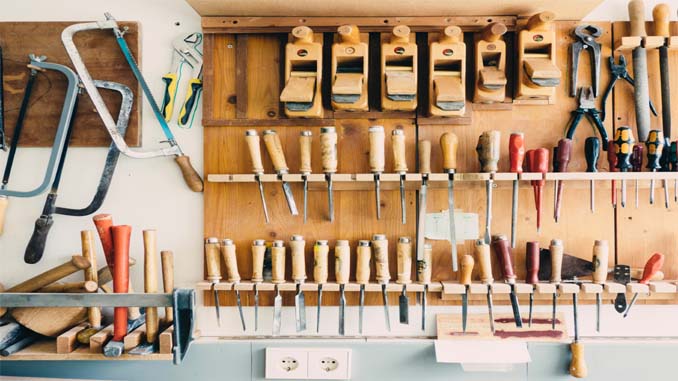
Woodworking, often perceived as a complex and intimidating craft, becomes much more accessible when you start with the fundamentals. The world of woodworking is rich and diverse, but it all begins with mastering the basics. Whether you’re a newcomer eager to explore the craft or someone looking to refresh their knowledge, understanding the core principles of woodworking is the first step on a rewarding journey of craftsmanship and creativity.
1. Safety First: Before you even touch a piece of wood, familiarize yourself with safety practices. Always wear the appropriate safety gear, such as safety glasses, ear protection, and dust masks. Understand how to use your tools safely and learn about the potential risks associated with woodworking.
2. Know Your Tools: Tools are the lifeblood of woodworking, and learning how to use them is essential. Start with the basics, including hand tools like chisels, planes, saws, and measuring tools. Gradually, you can explore power tools like routers, table saws, and band saws. Understanding the function and operation of each tool is crucial for safe and efficient woodworking.
3. Wood Selection: Choosing the right wood is a fundamental step. Different woods have varying characteristics, such as hardness, grain pattern, and color. As a beginner, it’s wise to begin with softwoods like pine or cedar due to their ease of workability. Once you gain experience, you can move on to hardwoods like oak, maple, and cherry.
4. Measuring And Marking: Accurate measurements and precise markings are the backbone of woodworking. Learn to use measuring tools, such as tape measures, squares, and calipers. Understand the significance of measuring twice and cutting once, as even minor measurement errors can affect the outcome of your project.
5. Wood Joinery: Wood joinery refers to the methods used to connect pieces of wood together. Basic joint types like butt joints, lap joints, and dowel joints are a good place to start. As you advance, explore more complex joints such as mortise and tenon, dovetail, and finger joints. Proper joinery is essential for strong, stable, and aesthetically pleasing woodworking projects.
6. Finishing Techniques: The finishing touches can make or break a woodworking project. Learn about the various finishing techniques, including sanding, staining, and applying protective coatings like varnish or polyurethane. Proper finishing not only enhances the appearance of your work but also protects it from the elements and wear and tear.
7. Woodworking Plans: For beginners, it’s often helpful to work from pre-designed woodworking plans. These plans provide step-by-step instructions, detailed drawings, and a list of necessary materials and tools. Working with plans can help you understand the construction process and build your confidence in the craft.

8. Practice And Patience: Woodworking, like any skill, requires practice and patience. Don’t be discouraged by initial mistakes; they are an integral part of the learning process. Every project you undertake, no matter how simple, will contribute to your growth as a woodworker.
Woodworking basics are the foundation upon which you can build your skills and knowledge. Mastering these fundamentals provides you with the confidence and competence needed to tackle more complex projects and explore the limitless possibilities that woodworking offers. The journey of craftsmanship and creativity begins with the basics, but it has no bounds, and your growth as a woodworker is limited only by your dedication and willingness to learn.