Shaping Civilizations From Clay
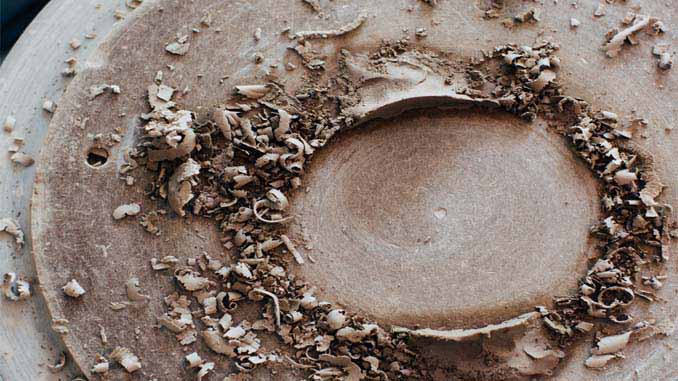
Pottery, one of the most ancient and enduring art forms known to humankind, has played a pivotal role in the development of human civilizations. The history of pottery traces back thousands of years and offers a fascinating glimpse into the evolution of societies, art, and technology.
The Earliest Beginnings: The roots of pottery can be found in the distant past, with the earliest pottery fragments dating back to around 20,000 BCE. These early ceramics were often rudimentary and primarily utilitarian, used for cooking, storing food, and transporting water. They were typically created through the process of handbuilding, involving the shaping of clay through pinching, coiling, and smoothing.
Neolithic Advancements: The Neolithic period (circa 10,000 to 2,000 BCE) marked a significant leap in the history of pottery. During this time, humans developed agriculture, leading to the need for more efficient food storage and preparation. This spurred the refinement of pottery techniques and the introduction of pottery wheels for shaping clay. Various cultures worldwide, from ancient China to Mesopotamia, independently discovered pottery and ceramic techniques that would continue to evolve over the millennia.
Egypt And Mesopotamia: Two of the world’s earliest advanced civilizations, Egypt and Mesopotamia, played pivotal roles in the history of pottery. In ancient Egypt, pottery was not only used for practical purposes but also for religious and artistic expression. The Egyptians produced ornate and finely glazed ceramics, including funerary objects and sculptures.
In Mesopotamia, the cradle of civilization, clay tablets were employed for writing, while pottery was used to store and transport valuable commodities. The invention of the potter’s wheel in this region revolutionized ceramic production and allowed for greater consistency and intricacy in design.
Greek And Roman Contributions: The Greeks elevated pottery to an art form. Their beautifully painted pottery, featuring intricate designs and intricate depictions of daily life and mythology, are now highly sought-after by collectors and historians. Greek pottery remains an enduring legacy of their artistic achievements.
The Romans continued the tradition of fine ceramic work, adopting Greek influences and creating their own distinctive styles. Roman pottery production was highly organized, and their ceramics were traded and exported throughout the vast Roman Empire.

The Far East: In China, pottery and porcelain have an ancient history that spans thousands of years. Chinese ceramics are celebrated for their craftsmanship, innovation, and exquisite glazes. The porcelain produced in China was highly prized along the Silk Road, leading to cultural exchanges between the East and West.
Medieval And Renaissance Europe: During the medieval and Renaissance periods in Europe, pottery production flourished. Monasteries and guilds played essential roles in preserving and advancing ceramic techniques. The development of kilns capable of higher firing temperatures led to the creation of stoneware and fine porcelain, which became symbols of wealth and prestige.
Modern Era: In the modern era, pottery has expanded its horizons beyond traditional vessels and functional items. The advent of the studio pottery movement in the 20th century, led by pioneering artists like Bernard Leach and Shoji Hamada, shifted the focus to individual artistic expression. Today, contemporary ceramic artists continue to push the boundaries of the medium, creating stunning and innovative pieces that reflect the ever-evolving world of art.
The history of pottery is a testament to the enduring appeal of working with clay and fire. From its humble beginnings in prehistoric times to its evolution as an art form, pottery has been an essential part of human history and culture. Its remarkable journey spans continents and millennia, leaving behind a legacy of craftsmanship and creativity that continues to captivate and inspire art enthusiasts worldwide.