A Universal Craft With Unique Flavors
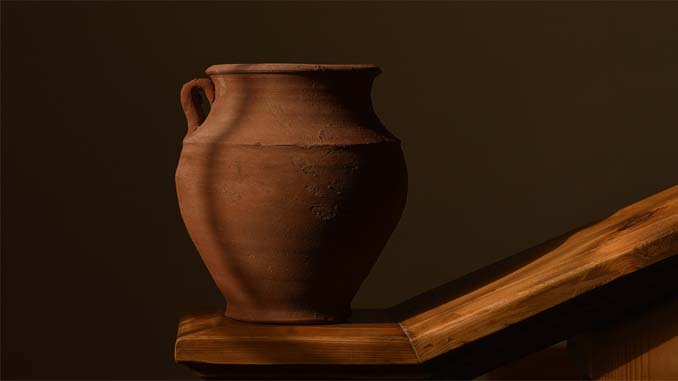
Pottery, a craft as ancient as human civilization itself, has played a central role in cultures across the globe. While the fundamental principles of shaping clay into functional and artistic objects remain universal, the diverse traditions, techniques, and cultupotterydifferentculturesral contexts in which pottery thrives make it a fascinating lens through which to explore the world’s rich tapestry of heritage.
Asia: The Cradle Of Ceramic Art
The roots of pottery in Asia run deep, with China often hailed as the birthplace of ceramics. Chinese pottery traditions date back thousands of years, and they have left an indelible mark on the global ceramic landscape. Iconic Chinese porcelain, known for its delicate blue and white designs, is world-renowned. Japanese pottery, on the other hand, is celebrated for its earthy, rustic aesthetics and meticulous craftsmanship. Countries like Korea, Thailand, and Vietnam have their unique ceramic traditions, showcasing the diversity within Asian pottery.
Africa: The Rhythms Of Clay
Across the African continent, pottery is both a functional and artistic tradition. The terracotta pottery of the Nok civilization in Nigeria, dating back to 1000 BC, represents some of the earliest ceramic artifacts in sub-Saharan Africa. In many African cultures, women are the primary potters, carrying on age-old traditions of coiling and hand-building. Each piece reflects the cultural values, motifs, and symbols of the community it hails from.
The Americas: Ancient Craftsmanship
In the Americas, pre-Columbian civilizations made remarkable contributions to pottery. The intricate designs and remarkable clay work of the Moche, Inca, and Maya peoples provide a window into the artistic and functional aspects of their societies. Native American tribes have their own distinctive styles, using clay to create pottery that is deeply rooted in their spiritual and cultural practices.
Europe: A Tapestry Of Styles
Europe boasts a rich tapestry of pottery traditions. The majolica pottery of Italy, famous for its colorful glazes and ornate patterns, showcases the Mediterranean region’s artistry. The Delftware of the Netherlands is cherished for its blue and white hand-painted pottery. Spain, with its talavera and sevillana ceramics, is known for its vibrant designs. Eastern Europe, including Poland, Hungary, and Russia, boasts unique styles reflecting both functional and artistic sensibilities.

The Middle East: An Epicenter Of Innovation
The Middle East, often regarded as the cradle of civilization, has a profound history of pottery. Mesopotamia, the region between the Tigris and Euphrates rivers, is where pottery’s wheel was first invented. The intricate, blue-glazed tiles of Islamic pottery are celebrated for their geometric patterns and calligraphic designs. Iran’s Persian ceramics are known for their exquisite craftsmanship and vivid color palettes.
Pottery unites the world’s cultures in a shared fascination with clay and fire. Its enduring appeal is rooted in the way each culture brings its unique perspective and artistic expression to the craft. As we explore pottery in different cultures, we gain a deeper appreciation for the universal human desire to shape clay into something functional, beautiful, and reflective of the cultural tapestry from which it emerges. This age-old craft, with its regional nuances, tells a story of human ingenuity, creativity, and adaptability.