A Timeless Tapestry Of Tradition And Artistry
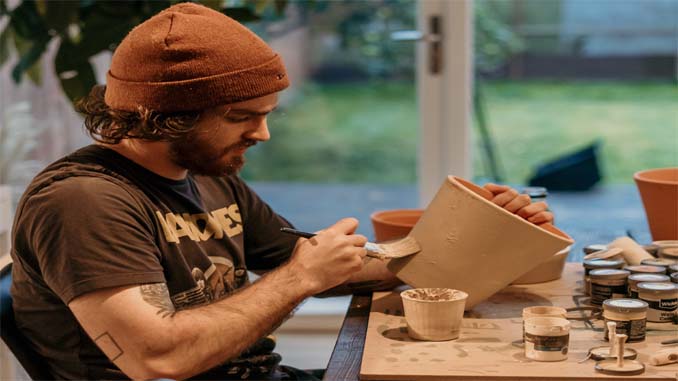
Pottery culture is a rich and diverse tapestry woven throughout human history, reflecting the customs, aesthetics, and artistic sensibilities of countless civilizations. This enduring art form has not only served practical purposes but has also become an integral part of the cultural heritage of societies around the world.
Cultural Significance: Pottery has held a profound cultural significance in the history of human civilization. In many ancient cultures, pottery was not just a craft; it was an art form deeply intertwined with rituals, spirituality, and daily life. From sacred vessels used in religious ceremonies to utilitarian items for food storage and preparation, pottery has played multifaceted roles in cultural practices.
Global Diversity: What makes pottery culture so fascinating is its global diversity. Each culture has developed its own unique styles, techniques, and traditions in pottery. From the intricate porcelain of China and the terracotta of the ancient Greeks to the vibrant Talavera ceramics of Mexico and the earthy, rustic pottery of Native American tribes, the world of pottery is a testament to the ingenuity and creativity of humanity.
Cultural Identity: Pottery often reflects the identity and values of a culture. For example, Native American pottery features distinct geometric designs and motifs that are deeply rooted in their cultural heritage. Japanese ceramics embody the principle of wabi-sabi, celebrating imperfection and the beauty of transience. The intricate patterns of Moorish pottery found in Spain are a testament to their historical Islamic influences.
Traditional Techniques: Pottery culture involves a wide range of traditional techniques that have been passed down through generations. Techniques like coiling, handbuilding, and wheel-throwing are often specific to certain regions and time periods. The preservation of these techniques helps ensure that the art of pottery remains connected to its cultural roots.
Artistic Expression: In addition to its utilitarian and ceremonial functions, pottery has long been a form of artistic expression. It’s a medium that allows artists to convey their creativity and tell stories through intricate designs, shapes, and glazes. Ceramic artists often draw inspiration from their cultural backgrounds, adding new layers of meaning to their work.

Ceramic History And Evolution: The evolution of pottery culture has been closely tied to technological advancements and societal changes. The development of the potter’s wheel, for example, revolutionized pottery production, enabling greater precision and consistency. Similarly, the creation of kilns capable of high-temperature firings allowed for the production of durable stoneware and porcelain.
Contemporary Resurgence: In recent years, there has been a resurgence of interest in pottery culture. Many contemporary artists draw inspiration from traditional pottery and ceramics while infusing their work with a modern twist. Studio pottery, where individual artists create unique pieces by hand, has gained popularity, allowing for a more personalized and artistic approach to pottery.
Pottery culture is a testament to the enduring appeal of this ancient art form. It transcends time and borders, offering a window into the hearts and minds of diverse cultures throughout history. Whether celebrated for its aesthetic beauty, cultural symbolism, or functional utility, pottery culture remains an integral part of the human experience, connecting us to our heritage and offering a canvas for creativity and self-expression. The continued exploration and preservation of pottery culture ensure that this timeless tradition will remain a source of inspiration and cultural significance for generations to come.