From Earth To Artistry
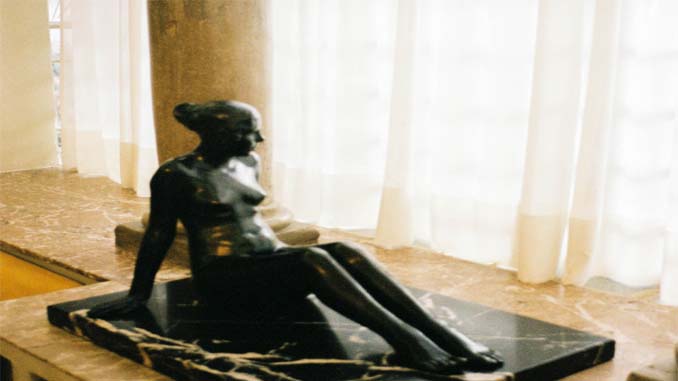
For millennia, clay has served as a versatile medium for human creativity. Among the many artistic applications of this humble material, clay sculptures stand out as a testament to the enduring fascination with molding, shaping, and creating three-dimensional forms from the earth itself. Clay sculptures have transcended cultural and historical boundaries, evolving from ancient artifacts to contemporary works of art, reflecting the essence of human expression.
The History Of Clay Sculptures: The origins of clay sculptures can be traced back to prehistoric times when early humans fashioned clay into small figurines and objects. These early creations were often utilitarian, serving as fertility symbols or talismans. As civilizations advanced, clay sculptures gained more prominence, taking on religious, decorative, and artistic significance.
In ancient Greece, for example, clay was employed to create intricate figurines, pottery, and votive offerings. The renowned terracotta warriors of China’s Qin Dynasty, dating back over 2,000 years, are an exceptional example of the artistry and craftsmanship that can be achieved through clay sculpture. These life-sized, meticulously detailed soldiers were created to accompany the first Emperor of China in his afterlife, attesting to the importance of clay sculptures in historical contexts.
The Techniques Of Clay Sculpting: Clay sculpting encompasses various techniques, with artists employing handbuilding, coiling, slab-building, and wheel-throwing methods. Handbuilding involves directly manipulating the clay by pinching, coiling, and smoothing to create the desired shape. Coiling uses rolled clay ropes to build forms, while slab-building cuts flat pieces of clay to construct sculptures. The potter’s wheel is yet another approach, allowing for precision and symmetry in shaping clay.

The Firing Process: One of the defining aspects of clay sculptures is the firing process. After the artist shapes the piece, it is left to dry, followed by firing in a kiln. Kiln temperatures can vary, resulting in different finishes and properties of the sculpture. Low-temperature firing may create porous, unglazed pieces, while high-temperature firing can produce sturdy, vitrified sculptures. The application of glazes before the final firing stage adds color, texture, and depth to the artwork.
Contemporary Clay Sculptures: In the modern art world, clay sculptures continue to captivate audiences. Contemporary artists push the boundaries of traditional clay work, experimenting with forms, textures, and concepts. Clay sculptures are not limited to representational art but often serve as a means for abstract and avant-garde expression.
Some artists use clay to explore environmental and sustainability themes, creating sculptures that comment on the relationship between humans and nature. Others focus on social issues, utilizing clay as a medium to convey powerful messages.
Clay sculptures are not confined to galleries and museums. They have found their way into public spaces, gardens, and homes, enriching our surroundings with their tactile and organic presence. The enduring appeal of clay sculptures lies in their ability to connect the past with the present, the ordinary with the extraordinary, and the earth with artistry.
Clay sculptures are a testament to the enduring appeal of working with the earth’s natural resources to create art. From their humble origins as small figurines to the grand, contemporary works of today, clay sculptures have evolved and adapted, yet they remain a profound expression of human creativity and craftsmanship. The history, techniques, and artistic possibilities of clay sculptures continue to captivate artists and enthusiasts alike, making this ancient art form a cherished part of our cultural heritage.