Exploring The Art Of Sewing Techniques
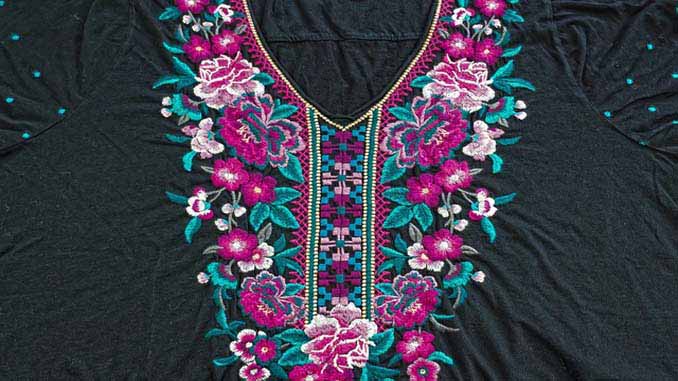
Sewing, a timeless and indispensable craft, is a testament to human ingenuity, creativity, and skill. The art of sewing has evolved over centuries, offering a rich tapestry of techniques that cater to diverse purposes. Whether you’re mending a seam, creating a piece of clothing, or pursuing intricate embroidery, sewing techniques form the foundation of a myriad of artistic and practical endeavors.
The Basics: Essential Sewing Techniques
Before delving into advanced sewing techniques, one must master the fundamentals. These are the basic skills that are essential for sewing anything, from garments to home decor:
Straight Stitch: The most fundamental of all sewing techniques, the straight stitch creates a secure line by simply passing the needle and thread through the fabric. It’s used for basic seams, hems, and basting.
Backstitch: This technique reinforces seams by doubling back through the previous stitch. It’s essential for creating strong, secure joins in fabric.
Zigzag Stitch: The zigzag stitch is used to finish raw fabric edges to prevent fraying. It’s also handy for sewing stretch fabrics and creating decorative edging.
Seam Allowance: Understanding the appropriate seam allowance is crucial for constructing well-fitted garments and avoiding unnecessary bulk in seams.
Advanced Sewing Techniques: Once you’ve mastered the basics, you can explore advanced sewing techniques that offer more creative and functional possibilities:
Gathering: This technique involves stitching multiple rows of long, loose stitches, which are then pulled to create gathers or ruffles in the fabric. Gathering is often used in creating full skirts, puff sleeves, or decorative elements.

Bias Binding: Bias binding is used to finish raw fabric edges, providing a clean and durable edge with the help of strips cut on the diagonal (the bias) of the fabric. It’s ideal for curved hems and necklines.
Darts: Darts are folded, stitched seams that provide shape and contour to garments, particularly for a better fit around curves like the bust, waist, or hips.
Blind Hem: The blind hem stitch is used for invisible hems on garments. It creates a nearly undetectable hemline on the right side of the fabric.
Buttonholes: Sewing buttonholes requires precision and skill to ensure buttons can be securely fastened. There are different techniques for sewing buttonholes, including machine-sewn and hand-sewn.
Basting: Basting stitches are long, temporary stitches used to hold fabric layers together during the construction of a garment. They are removed once the final seam is stitched.
Understitching: Understitching involves sewing a line of stitching close to the seam line on the facing side of a garment to prevent the facing from rolling outwards.
Embracing Creativity: Sewing Techniques In Art And Design
Sewing techniques also play a significant role in various creative pursuits:
Embroidery: Embroidery techniques range from the satin stitch for smooth, flat surfaces to complex stitches like French knots and feather stitches that create texture and depth in designs.
Quilting: Quilting combines layers of fabric with precise stitching to create intricate and artistic patterns. Quilting techniques vary from hand quilting to machine quilting.
Appliqué: Appliqué is an art of sewing smaller pieces of fabric onto a larger base to create patterns or designs. It’s often used for adding decorative motifs to clothing and home decor items.
Sewing techniques are the building blocks of a craft that has stood the test of time. Whether you’re an aspiring fashion designer, a quilter, or a hobbyist, these techniques empower you to create functional and artistic pieces that reflect your imagination and skill. Sewing is more than just a craft; it’s an art form that weaves together function and creativity, allowing you to bring your ideas to life, one stitch at a time.