A Time-Honored Craft
Wine making is a tradition that spans centuries, even millennia. This time-honored craft, passed down from generation to generation, reflects the marriage of art and science, and it weaves together the essence of culture, terroir, and history. In this article, we’ll delve into the enduring wine making traditions that have shaped the world of winemaking.
Grapes And Terroir: The heart of any winemaking tradition is the grape. Different regions around the world have unique grape varieties that thrive in their specific terroirs. Terroir encompasses the combination of soil, climate, and geography that imparts distinct characteristics to the grapes. Winemakers who honor tradition understand that the grapes are the foundation of their craft. They meticulously select the right grape varieties for their region, embracing what the land offers.
Harvest And Vinification: The harvest season is a pivotal moment in the wine-making process. Traditionally, grapes were handpicked, a labor-intensive practice that continues in many wineries, especially those producing high-quality, artisanal wines. The timing of the harvest is a critical decision, and it often reflects a blend of modern technology and age-old knowledge passed down through generations.
Once the grapes are collected, they are processed through various methods, including crushing, destemming, and pressing. The choice of these methods, like the choice of grape variety, varies from region to region, reflecting the traditions and techniques that have been perfected over time.
Fermentation And Aging: The fermentation stage is where the magic happens. Yeasts convert the grape sugars into alcohol, and this is a stage where winemaking traditions show their depth. Some wineries still rely on wild, naturally occurring yeasts for fermentation, while others use cultivated yeasts to ensure consistency. The decision can greatly influence the wine’s character.
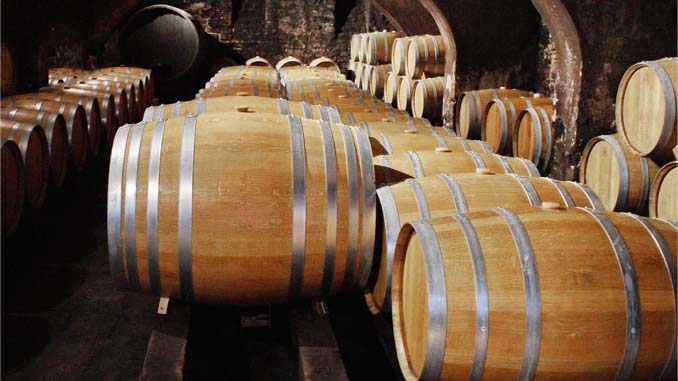
Aging is another crucial aspect of winemaking traditions. Many winemakers use oak barrels, which can impart flavors and aromas to the wine, adding complexity and depth. The length and type of aging are often guided by tradition. For example, in Bordeaux, it’s common to age red wines in oak for extended periods, while in the New World, there’s often a preference for a more fruit-forward style with shorter aging.
Blending And Bottling: Blending is an art that relies on the winemaker’s palate, knowledge, and adherence to tradition. Winemakers may blend different grape varieties or vintages to achieve the desired flavor profile, and this is often influenced by regional practices and local customs.

Once the wine has reached the desired quality, it is bottled, sealed, and labeled, often with labels that pay homage to the winery’s history and heritage.
Passing The Torch: One of the most beautiful aspects of winemaking traditions is the passing down of knowledge and techniques from one generation to the next. The art of winemaking is often a family affair, with each generation building upon the wisdom and experience of their predecessors. This continuity ensures the preservation of traditions and the constant pursuit of excellence.
Winemaking traditions are the threads that tie the past, present, and future of the wine industry. They offer a deep connection to the land, the people, and the culture of each winemaking region. While technology and innovation have certainly influenced the world of winemaking, it is these traditions that have kept the craft alive, vibrant, and endlessly fascinating. Wine lovers around the world can raise a glass to the enduring beauty of this ancient art.