A Timeless Connection
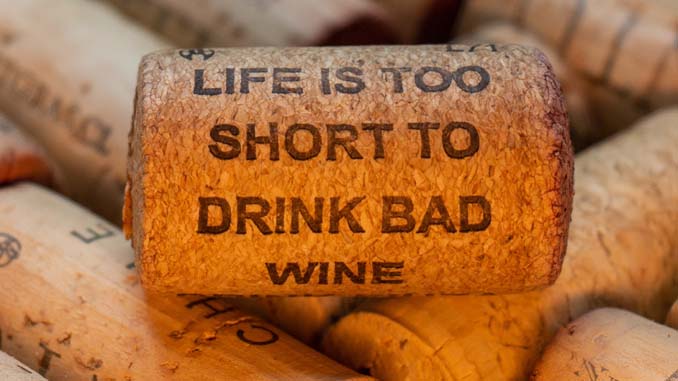
Wine, often referred to as the nectar of the gods, has a history that stretches back thousands of years. This exquisite beverage is not only an artful creation but also a fascinating portal into the annals of human civilization. To explore the connection between wine and history is to embark on a journey through time, witnessing the evolution of societies, the influence of trade, and the interplay of culture and viticulture.
Ancient Beginnings: The history of wine begins in the cradle of civilization, the region surrounding the modern-day countries of Georgia and Iran. Archaeological evidence suggests that winemaking dates back over 8,000 years. The early civilizations of Mesopotamia, including the Sumerians and Babylonians, were among the first to cultivate grapes and produce wine. These ancient cultures not only enjoyed wine but also incorporated it into their religious ceremonies, considering it a divine gift.
Greece And Rome: The Greeks and Romans further embraced the culture of wine, and it became an integral part of their daily lives. In ancient Greece, wine was deeply intertwined with their mythology and philosophy. Dionysus, the god of wine, held a revered place in Greek mythology. Philosophers like Plato and Aristotle discussed the influence of wine on society and the importance of moderation.
The Romans, too, played a pivotal role in the history of wine. They expanded vine cultivation across their vast empire, introducing new techniques in viticulture and winemaking. The famous phrase “in vino veritas” (in wine, there is truth) emerged from Roman culture, emphasizing the way wine could loosen tongues and reveal one’s innermost thoughts.

Medieval Monasteries: Throughout the Middle Ages, wine remained a significant part of European culture. Monasteries became centers of wine production and preservation. Monks carefully cultivated vineyards and perfected the art of winemaking, leading to the creation of some of the world’s most renowned wine regions, such as Bordeaux and Burgundy.
Exploration And Trade: As European explorers set out to conquer new lands, they brought vines with them to cultivate wine in their new colonies. Wine became a valuable trade commodity, driving exploration and colonization. Spanish missionaries, for instance, planted vineyards in California, paving the way for the Napa Valley wine region.
Modern Times: In more recent history, the 19th and 20th centuries witnessed significant advancements in winemaking techniques and the establishment of regulations governing the production of wine. Winemakers like Louis Pasteur made groundbreaking contributions to the science of fermentation, ensuring the consistent quality of wine.
Today, wine is produced and enjoyed on a global scale. Wine regions span the world, from the vineyards of France and Italy to the emerging wine industry of New Zealand. Wine continues to be a symbol of celebration, sophistication, and the finer things in life.
The history of wine is a captivating journey through the epochs of human civilization. From its ancient origins to its crucial role in religion, philosophy, and trade, wine has left an indelible mark on the course of history. It has evolved from a simple agricultural product to a symbol of culture, refinement, and the enduring connection between the past and the present. The history of wine is not just a story of fermented grapes; it’s a story of human ingenuity, exploration, and the quest for the perfect glass of wine.