From Vine To Glass
Wine production is a finely tuned, centuries-old craft that combines elements of agriculture, science, and artistry to transform grapes into the complex and delightful beverage that has been cherished for millennia. This process, from the vineyard to the glass, is a rich tapestry of traditions, innovation, and meticulous techniques that make every bottle of wine a work of art.
Grape Cultivation: The journey of wine production begins in the vineyard, where grapes are carefully cultivated. Grape varieties are selected based on the region’s climate, soil, and tradition, as these factors significantly influence the character of the wine. Modern vineyards often employ advanced techniques, such as precision viticulture and sustainable farming practices, to ensure the health and quality of the grapevines.
Harvesting: The timing of the grape harvest is a critical decision. Harvesting too early or too late can significantly impact the final product. In traditional wine production, grapes were often handpicked, allowing for the careful selection of ripe, healthy clusters. However, modern mechanical harvesters have also become popular for their efficiency.
Crushing And Pressing: Once the grapes are harvested, they undergo a process known as crushing, where they are gently broken to release the juice. Depending on the type of wine being produced, the grapes may be destemmed, meaning the stems are removed, or they may be pressed directly. The juice obtained from this process is known as “must.”
Fermentation: Fermentation is a crucial stage in wine production, as it’s where the grape juice transforms into wine. Yeasts are introduced to the must to convert the sugars into alcohol. The choice of yeast and fermentation method can significantly influence the wine’s flavor profile.
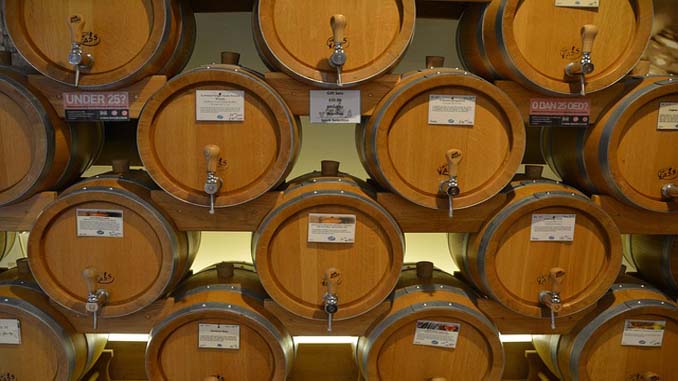
Aging: Aging is a key factor in wine production, especially for red wines and some white wines. Oak barrels, often used for aging, can impart flavors and aromas to the wine, adding complexity and depth. The length of aging, as well as the type of barrel used, varies based on the style of wine desired.
Blending: In many cases, wine producers blend different grape varieties or vintages to achieve the desired flavor profile. Blending is an art that relies on the winemaker’s expertise and palate. It’s a way to balance the wine’s characteristics and create a harmonious final product.
Bottling: After the wine has matured, it is ready for bottling. The wine is carefully filtered and often treated to ensure its stability. It is then bottled, sealed, and labeled. The label often contains crucial information about the wine, such as its vintage, grape variety, and origin.
Quality Control: Throughout the entire wine production process, quality control measures are in place to ensure that the wine meets the winery’s standards. This includes regular tasting and testing to monitor the wine’s progress and to address any issues that may arise.

The Art And Science Of Winemaking: Wine production is a unique combination of tradition and science, an artful craft that continually evolves with advancements in viticulture and enology. It is a marriage of ancient practices and modern techniques, resulting in a wide array of wine styles and flavors that can cater to every palate.
Wine production is a captivating journey that extends from the vineyard to the wine glass, encompassing the delicate balance between nature and human craftsmanship. It is a process that involves the preservation of tradition, the exploration of innovation, and an unwavering commitment to quality. Wine enthusiasts can appreciate the meticulous artistry that goes into each bottle, making every sip a testament to the timeless legacy of this beloved beverage.