Savoring The Subtle Pleasures
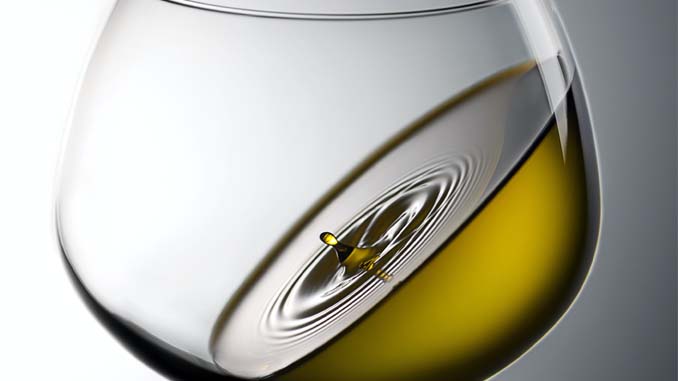
Wine tasting is a nuanced art that elevates the enjoyment of this ancient beverage to a sophisticated and sensory experience. While anyone can pour a glass of wine and take a sip, delving into the intricate world of wine tasting requires practice, knowledge, and an acute awareness of the senses. In this article, we explore the art of wine tasting, offering insights into the techniques and appreciation that enhance the enjoyment of this timeless elixir.
The Five Senses: Wine tasting engages all five senses, creating a symphony of perception that allows connoisseurs to appreciate the full spectrum of a wine’s character.

Sight: The visual assessment of wine begins with its color and clarity. Hold your glass up to the light and observe the hue, which can range from pale straw to deep ruby or even amber. The intensity and clarity of the color provide initial clues about the wine’s age and variety.
Smell: The olfactory sense is crucial in wine tasting. Swirl the wine gently in your glass to release its aromas and then take a moment to inhale. Note the wine’s bouquet, identifying various scents like fruit, flowers, spices, or oak. The aroma can provide insights into the wine’s age, origin, and quality.
Taste: This is the heart of the wine tasting experience. Start with a small sip, allowing the wine to coat your palate. Assess the wine’s flavors, acidity, sweetness, and tannins. Look for complex layers of taste, from the initial impression to the finish. Consider the balance and harmony of the wine’s components.
Touch: The tactile sensation of wine is an often-overlooked aspect. Assess the wine’s body or weight on the palate. Is it light, medium, or full-bodied? The texture should be smooth and pleasing, with the right level of astringency from tannins.
Sound: While it might not be as prominent, the sound of wine plays a role in the overall experience. When you slurp the wine, the sound can provide clues about its viscosity and body. Experienced tasters often make a slight slurping sound to aerate the wine as it passes through their palate.
The Art Of The Swirl And Sip: The gentle swirl of the wine in the glass releases its aromas, allowing you to take in the full bouquet. This practice aerates the wine, which can enhance the aromas and flavors.
Taking small sips and holding the wine in your mouth allows for a thorough evaluation of its taste and texture. The art of wine tasting involves paying attention to the wine’s complexity, noting the interplay of fruit, acidity, and tannins.
The Art Of Terroir: Terroir, the unique combination of soil, climate, and geography of a specific wine region, is a fundamental concept in wine tasting. Understanding how terroir influences a wine’s character is integral to appreciating its nuances. The same grape variety can produce vastly different wines when grown in distinct terroirs.
The Art Of Wine And Food Pairing: Another facet of the art of wine tasting is pairing wine with food. The right combination can elevate both the wine and the dish, creating a harmonious dining experience. Consider the wine’s flavor, body, and acidity when selecting complementary food.
The art of wine tasting is a journey of sensory exploration. It involves engaging all five senses, from the visual assessment of the wine’s color to the nuanced interpretation of its aroma, taste, and texture. With practice and an ever-curious palate, anyone can develop a deep appreciation for the art of wine tasting, uncovering the subtleties and complexities that make wine a captivating and enduring elixir. Whether you’re a novice or an experienced oenophile, the art of wine tasting offers a lifetime of discovery and enjoyment.