A Glimpse Into Monastery Brewing
Monastery brewing, a sacred tradition that has persisted for centuries, offers a unique and flavorful window into the world of beer. These hallowed institutions have long been associated with prayer and contemplation, but many people are unaware of the monastic legacy in the art of brewing. Monasteries across the globe have played a significant role in preserving and advancing brewing techniques, producing some of the most renowned and sought-after beers.
The Origins Of Monastery Brewing: The roots of monastic brewing can be traced back to medieval Europe, when monasteries were not only centers of spirituality but also hubs of agriculture and craftsmanship. Monks, skilled in cultivation and brewing, often brewed beer to support themselves and their communities. The monastic brewing tradition was born out of necessity and evolved into an art form celebrated for its unique and high-quality beers.
Brewing As A Form Of Self-Sufficiency: Monasteries were largely self-sustaining communities, and brewing became a valuable source of income for these religious orders. Monks brewed beer for their own consumption and to trade with neighboring communities. The high-quality beer produced within the monastery walls garnered a reputation for excellence and, over time, became an essential part of monastic life.
Brewing’s Role In Monastic Life: For many monastic orders, brewing was not just a means of financial support; it was also deeply entwined with their way of life. Brewing was seen as a form of prayer, a means of connecting with the divine. Monks believed that by perfecting their brewing skills, they were glorifying God and serving their fellow humans through the creation of a sublime beverage.
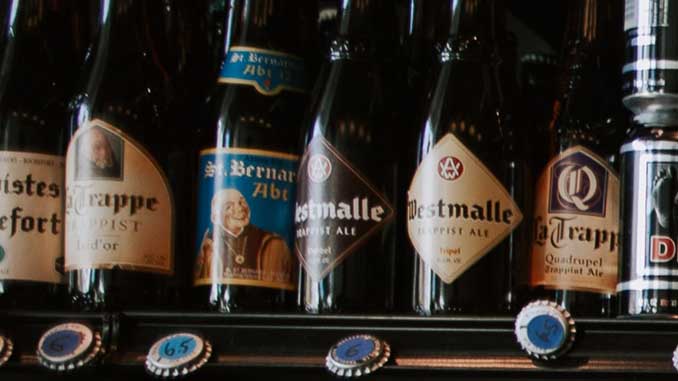
The Trappist Brewing Tradition: One of the most well-known monastic brewing traditions is that of the Trappist monks, a strict Catholic religious order. Trappist monasteries, especially those in Belgium, have achieved international acclaim for their exceptional ales. Beers like Chimay, Westmalle, and Orval are iconic examples of Trappist brewing, often brewed following centuries-old recipes and using traditional methods.

Preserving Tradition In The Modern Age: While many monasteries have continued to brew their traditional beers for centuries, some have opened their doors to the public, allowing visitors to experience the art of monastic brewing. These monasteries often generate revenue from beer sales and reinvest the profits in charitable endeavors.
Monastic Brewing Beyond Beer: While beer is the most celebrated product of monastic brewing, some monasteries produce other alcoholic beverages, such as liqueurs and spirits. Chartreuse, a renowned herbal liqueur, is crafted by Carthusian monks in France and is considered one of the finest liqueurs in the world.
Monastery brewing is a testament to the enduring tradition and craftsmanship that has thrived within the sacred confines of these religious institutions. The beers crafted by monks continue to be revered by beer enthusiasts, both for their exceptional quality and the history they embody. These brews serve as a bridge between the divine and the earthly, reminding us that the art of brewing, like the monastic life, is a profound and enduring calling. So, the next time you raise a glass of Trappist ale, you’re not just savoring a fine beer, but also toasting to the centuries-old legacy of monastic brewing.