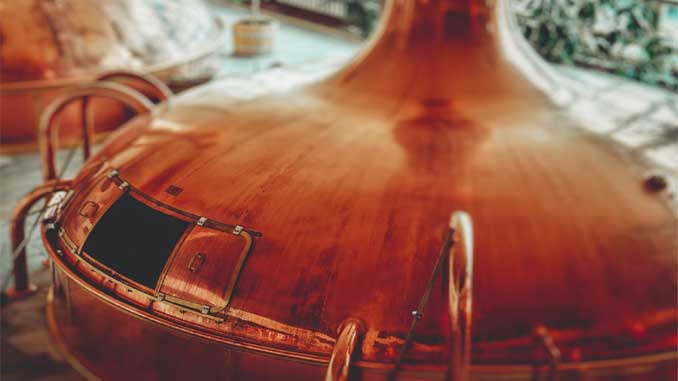
Brewing, the process of turning raw ingredients into a delightful beverage, is an art and science that has evolved over thousands of years. Brewing techniques encompass a wide range of skills, from selecting and preparing ingredients to managing fermentation and conditioning. Understanding the nuances of brewing techniques is essential for producing exceptional beer, and it is a craft that continues to captivate brewers and beer enthusiasts worldwide.
The Brewing Ingredients: Brewing begins with the careful selection of ingredients, each playing a vital role in shaping the flavor and character of the final product. Water, malt, hops, and yeast are the foundation of beer. The quality of the water source can impact everything from the taste to the clarity of the beer. Malt, often derived from barley, provides the fermentable sugars that yeast will consume during fermentation. Hops add bitterness, aroma, and flavor. Yeast is the microorganism responsible for fermenting the wort into beer.
The Mashing Process: Mashing is the first key step in brewing. It involves soaking the crushed malt in hot water to extract sugars and create a sugary liquid known as wort. The temperature and duration of mashing impact the flavor, body, and sweetness of the beer. Different mashing techniques, such as single infusion or step mashing, allow brewers to tailor the wort to their desired specifications.
Boiling And Hop Addition: The next step is boiling the wort and adding hops. Boiling sterilizes the wort and extracts essential oils and bitterness from the hops. The timing and types of hops used in this phase greatly influence the beer’s aroma and bitterness. Brewers carefully calculate when to add hops to achieve the desired flavor profile.
Fermentation: Fermentation is where the magic happens. Yeast is introduced to the wort, and it consumes the sugars, producing alcohol and carbon dioxide. Fermentation temperatures, yeast strains, and fermentation time are all critical factors that influence the beer’s taste and aroma. For example, ale yeast works at warmer temperatures, producing fruity esters, while lager yeast operates at cooler temperatures, yielding a clean and crisp taste.

Conditioning: After fermentation, beer typically undergoes a conditioning phase. This can occur in the fermenter or in bottles or kegs. Conditioning allows the flavors to mature, any off-flavors to mellow, and for carbonation to develop. The length of conditioning can vary greatly depending on the beer style, with some beers requiring weeks or even years of aging.
Packaging: Once conditioning is complete, the beer is ready for packaging. Brewers have various choices, including bottles, cans, or kegs, each of which has an impact on the beer’s final presentation. Proper packaging and sealing are crucial to maintain the beer’s quality and shelf life.
Brewing techniques are continuously evolving as brewers experiment with new ingredients, processes, and styles. Whether it’s the resurgence of ancient brewing methods, like sour beer production, or innovative approaches like barrel aging and fruit infusions, the world of brewing is filled with creativity and experimentation.
Brewing techniques are a dynamic fusion of art and science. The mastery of ingredient selection, mashing, boiling, fermentation, and conditioning is what distinguishes a great brewer. Brewing allows individuals to craft a wide range of beer styles, each with its unique flavor profile and characteristics. It’s a centuries-old tradition that continues to be both an artisanal endeavor and a scientific exploration, offering a diverse and exciting world of flavors and experiences for beer enthusiasts to savor.