A Tapestry Of History, Diversity, And Tradition
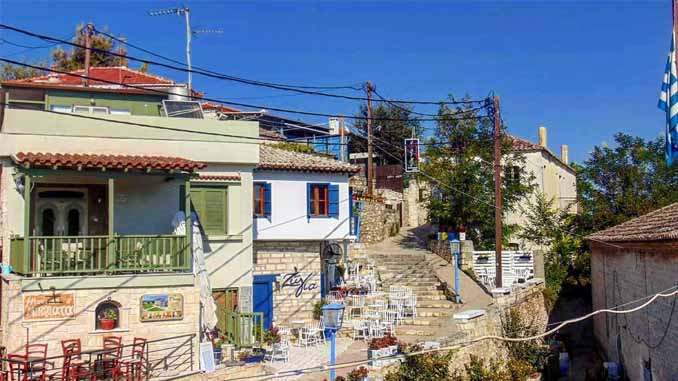
Mediterranean culture is a rich tapestry woven together by the peoples and countries that border the Mediterranean Sea. Stretching from Southern Europe to North Africa and the Middle East, this region has been a crossroads of civilizations for millennia, resulting in a diverse and fascinating cultural mosaic. Let’s explore the key elements that define Mediterranean culture.
Historical Significance: The Mediterranean region is steeped in history. It was home to some of the world’s most significant ancient civilizations, including the Greeks, Romans, Egyptians, and Phoenicians. Their legacies are evident in the architecture, art, and cultural practices that continue to shape the Mediterranean today. From the ruins of Rome to the iconic Parthenon in Athens, history is palpable at every turn.
Cuisine And Culinary Traditions: Mediterranean cuisine is renowned worldwide for its health benefits and delicious flavors. It reflects the region’s emphasis on fresh, seasonal ingredients, such as olive oil, fruits, vegetables, legumes, and grains. Dishes vary from country to country, but common ingredients and culinary techniques, such as grilling, roasting, and the use of aromatic herbs, unite the Mediterranean palate. Meals are often shared with loved ones, emphasizing the social aspect of dining.
Art And Architecture: Mediterranean culture has produced some of the most stunning and enduring works of art and architecture. Greek and Roman architecture have left indelible marks on the region, and medieval influences can be seen in the cathedrals and fortresses of coastal towns. Iconic artistic traditions like mosaic work, painting, and pottery continue to flourish in Mediterranean communities.
Language Diversity: The Mediterranean region is a linguistic mosaic. Numerous languages, dialects, and scripts are spoken and written throughout the region, reflecting its rich cultural diversity. Arabic, Greek, Italian, Spanish, and Turkish are just a few of the languages spoken in Mediterranean countries.
Religious Diversity: The Mediterranean is a melting pot of religious traditions. Christianity, Islam, and Judaism all have deep roots in the region, resulting in a tapestry of religious practices and places of worship. The coexistence of multiple faiths is a hallmark of Mediterranean culture.
Festivals And Celebrations: Mediterranean culture is marked by a vibrant calendar of festivals and celebrations. From the colorful Carnival in Venice, Italy, to the exuberant Feria de Abril in Seville, Spain, these events celebrate music, dance, art, and, of course, food.

Family And Social Bonds: Family is the cornerstone of Mediterranean culture. Strong family bonds and close-knit communities are integral to daily life. Meals are often a time for family to gather, share stories, and celebrate their cultural heritage.
Sustainability And Environmental Stewardship: The Mediterranean region’s natural beauty has inspired a cultural ethos of environmental conservation. The cultivation of olive groves, vineyards, and the sustainable fishing practices reflect this deep connection with the environment.
A Timeless Treasure Trove: Mediterranean culture is a treasure trove of history, tradition, and diversity. Its enduring influence on the world can be seen in art, architecture, cuisine, and customs. It is a living testament to the resilience and adaptability of the human spirit, shaped by centuries of interactions, conflicts, and collaborations.
Mediterranean culture is a testament to the enduring power of history, diversity, and tradition. As you explore the Mediterranean, you’ll encounter a region that seamlessly blends the ancient with the contemporary, where culture is preserved and shared through the art of storytelling, the joy of feasting, and the warmth of community. It’s a culture that welcomes and celebrates the richness of its past while embracing the promise of its future.