Crafting The Perfect Cup
Brewing techniques represent the heart and soul of coffee and tea culture, offering a journey through history, geography, and the fine balance of science and art. Whether you’re an aspiring home barista, a seasoned coffee enthusiast, or a dedicated tea connoisseur, mastering brewing techniques is the key to crafting the perfect cup.
Coffee Brewing Techniques
Drip Brewing: The classic drip coffee maker is a staple in many households. Ground coffee is placed in a filter, and hot water is dripped over it, allowing the liquid to flow through the grounds, extracting flavors along the way. It’s a simple and consistent method.
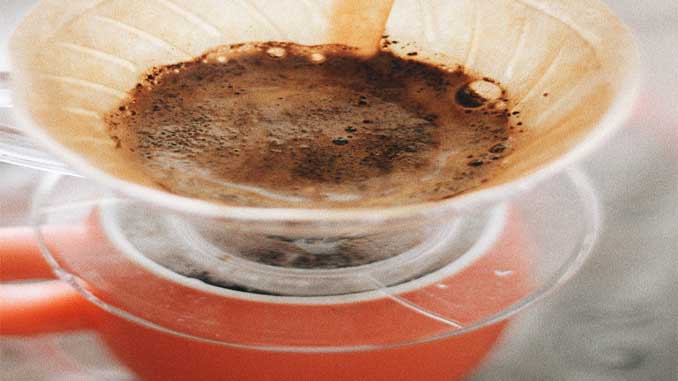
Pour-Over: Pour-over brewing is a manual and more nuanced approach. Hot water is poured over a bed of coffee grounds in a circular motion, resulting in even extraction. The technique allows for a high level of control over variables like grind size, water temperature, and pouring rate.
French Press: The French press, also known as a press pot or plunger pot, uses a metal or mesh sieve to separate coffee grounds from the liquid. The grounds steep in hot water, and the plunger is used to press them to the bottom, resulting in a full-bodied cup.
Espresso Brewing: Espresso is a concentrated coffee beverage made by forcing hot water under pressure through finely-ground coffee. It requires precision in variables like grind size, water temperature, and pressure to produce a shot with a rich crema and complex flavors.
AeroPress: The AeroPress is a versatile, portable brewing device. Coffee grounds steep in hot water, and gentle pressure is applied to extract the liquid. This method is known for its quick brew time and clean taste.
Tea Brewing Techniques
Western-Style Brewing: The most common method in the Western world, Western-style brewing involves steeping tea leaves in hot water for a set amount of time. Variations in water temperature and steeping time can be adjusted to achieve the desired strength and flavor.
Gongfu Cha: This traditional Chinese method involves a smaller vessel and multiple short steepings. It allows for a more controlled extraction, revealing the full spectrum of a tea’s flavors over several infusions.
Japanese Tea Brewing: Japanese tea brewing often involves a precise process of measuring tea leaves and water. It is particularly important when brewing matcha, a finely ground powdered green tea.

Cold Brewing: Cold brewing is a gentle method that involves steeping tea leaves in cold water over an extended period, usually several hours or overnight. It results in a smooth, mellow, and less bitter tea.
Craftsmanship And Precision
The beauty of brewing techniques lies in the meticulous craftsmanship they require. It’s not merely a matter of putting tea leaves or coffee grounds into hot water; it’s about controlling variables like water temperature, steeping time, and extraction methods. Precision ensures the flavors are extracted correctly and that each cup is a masterpiece.
A Culinary Journey
Brewing techniques also represent a culinary journey. From the unique characteristics of coffee beans from different regions to the various types of teas, every cup tells a story of terroir, traditions, and cultures. Exploring brewing techniques is like embarking on a worldwide tour of flavors and aromas.
Brewing techniques are a testament to the rich tapestry of coffee and tea culture. They bridge the gap between tradition and innovation, science and art. Whether you’re perfecting the art of the pour-over or embracing the delicate dance of gongfu cha, each technique offers a unique path to discovering the depths and nuances of your favorite brew. So, raise your cup and savor the journey, one meticulously crafted sip at a time.