Techniques For Delicious, Safe Meals
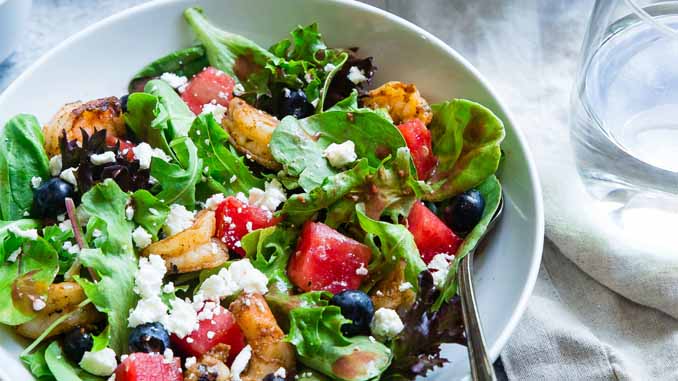
Gluten-free cooking has become increasingly popular as more people are adopting gluten-free diets due to celiac disease, gluten sensitivity, or simply a preference for avoiding gluten. When cooking without traditional wheat-based ingredients, understanding the right techniques is essential to ensure that your meals are both safe and delicious. In this article, we will explore some key gluten-free cooking techniques that can help you achieve outstanding results in the kitchen.
Ingredient Selection: Choosing Gluten-Free Alternatives
The first step in gluten-free cooking is to replace traditional wheat-based ingredients with gluten-free alternatives. Some common substitutions include:
Flours: Swap wheat flour with gluten-free flours like rice flour, almond flour, coconut flour, or a gluten-free all-purpose flour blend. These flours can be used for baking, breading, and thickening.
Grains: Opt for naturally gluten-free grains such as rice, quinoa, buckwheat, and millet for side dishes and grain-based recipes.
Pasta: Numerous gluten-free pasta options made from rice, corn, quinoa, or legume flours are available. Cook them according to the package instructions.
Baking Aids: Xanthan gum and guar gum can help mimic the binding properties of gluten in baked goods. Add them to gluten-free recipes as needed.
Cross-Contamination: Staying Safe
For individuals with celiac disease, even trace amounts of gluten can be harmful. To ensure your gluten-free meals remain safe, take the following precautions:
Separate Utensils: Use separate cutting boards, knives, and kitchen equipment for gluten-free cooking to avoid cross-contamination.
Clean Thoroughly: Ensure that surfaces and equipment are thoroughly cleaned before use. This includes cleaning countertops, oven racks, and utensils.
Label Ingredients: Clearly label gluten-free ingredients to prevent mix-ups, especially if you store gluten-containing and gluten-free products together.
Binding And Texture: Enhancing Your Dishes
Gluten provides structure and texture in many recipes. To mimic these qualities in gluten-free cooking:
Use Binders: Incorporate binding agents like xanthan gum or ground flaxseed mixed with water into recipes to improve the texture of baked goods.
Combine Flours: Blend different gluten-free flours for the best texture. For instance, combining rice flour with potato starch and tapioca flour can yield great results in recipes like pancakes or bread.

Moisture Management: Preventing Dryness
Gluten-free baked goods can sometimes turn out dry or crumbly. Here are some strategies to retain moisture:
Add Moist Ingredients: Include ingredients like applesauce, mashed bananas, or yogurt in recipes to enhance moisture.
Avoid Overmixing: Overmixing gluten-free batters can result in a tougher texture. Mix ingredients until just combined.
Leavening Agents: Achieving the Right Rise
Yeast, baking powder, and baking soda play a crucial role in the rise and texture of gluten-free baked goods. Use them wisely:
Yeast: Gluten-free bread can benefit from longer rising times, as gluten-free dough may take longer to ferment.
Baking Powder And Baking Soda: These leavening agents help baked goods rise. Ensure they are fresh and use according to the recipe’s instructions.
Mastering gluten-free cooking techniques can lead to satisfying and safe meals. With the right ingredient choices, vigilant cross-contamination prevention, and thoughtful techniques for binding, texture, moisture, and leavening, you can create delicious and enjoyable gluten-free dishes that cater to a variety of dietary preferences and needs. Gluten-free cooking is not just about dietary restriction; it’s about embracing a world of culinary possibilities and enjoying the pleasures of good food, gluten-free.