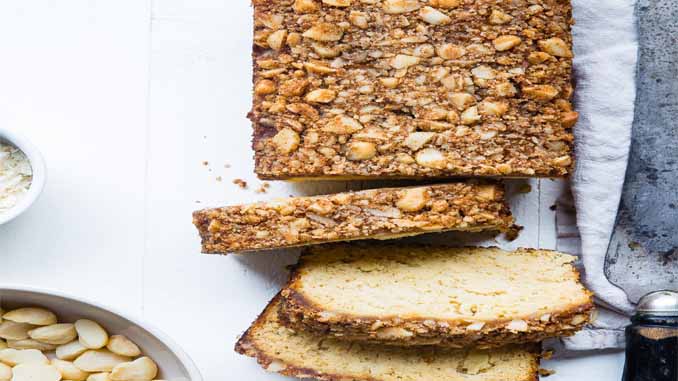
A gluten-free diet has gained significant attention over the past few years, with many people adopting it for various reasons, including celiac disease, non-celiac gluten sensitivity, and personal dietary preferences. While a gluten-free diet can bring about numerous health benefits, it’s not without its challenges. In this article, we’ll explore some of the common obstacles and how to overcome them when following a gluten-free lifestyle.
1. Limited Food Choices
One of the most notable challenges of a gluten-free diet is the perception of limited food choices. Many staple foods like bread, pasta, and baked goods contain gluten, making it seem like there’s not much left to enjoy. However, with the increasing demand for gluten-free products, there’s a growing variety of options available. Explore naturally gluten-free foods like fruits, vegetables, lean proteins, and legumes. Additionally, try gluten-free grains like quinoa, rice, and corn to diversify your diet.
2. Cross-Contamination
Cross-contamination is a constant concern for individuals with celiac disease. Even a small amount of gluten can trigger symptoms or damage the small intestine. To mitigate this risk, create a dedicated gluten-free area in your kitchen, use separate utensils and cookware, and be cautious when dining out. Communication is key when eating at restaurants; be sure to inform the staff of your dietary restrictions to prevent cross-contamination.
3. Social And Dining Challenges
Social situations and dining out can pose challenges for those on a gluten-free diet. Friends and family may not fully understand the dietary restrictions, which can make social gatherings awkward. The key is to communicate your dietary needs clearly, offer to bring gluten-free dishes, and seek out restaurants with gluten-free options. Many establishments are now catering to the gluten-free trend, making dining out more accessible.
4. Label Reading And Hidden Gluten
Understanding food labels and identifying hidden sources of gluten is vital. Gluten can hide in unexpected places, such as sauces, dressings, and seasonings. Familiarize yourself with label reading and look for certified gluten-free products. Also, consider downloading gluten-free apps or using online resources to verify the safety of specific brands and products.

5. Expense
Gluten-free products can be more expensive than their gluten-containing counterparts. The demand for gluten-free alternatives often results in a higher price point. To manage this challenge, buy gluten-free products in bulk when possible, explore farmers’ markets and discount stores, and focus on naturally gluten-free foods, which tend to be more budget-friendly.
6. Nutritional Concerns
A gluten-free diet may lead to potential nutritional concerns, as some gluten-free products can lack essential nutrients like fiber, iron, and B vitamins. To overcome this challenge, prioritize whole, nutrient-rich foods. Incorporate gluten-free grains and flours that offer a good balance of essential nutrients. Consulting with a registered dietitian can help you create a well-rounded, gluten-free meal plan that addresses any potential nutritional gaps.
A gluten-free diet comes with its share of challenges, but they can be managed with the right strategies and a positive attitude. With increased awareness and the growing availability of gluten-free products, following this dietary choice has become more accessible. By staying informed, practicing safe food preparation, and seeking support and advice from healthcare professionals, individuals can successfully navigate the challenges of a gluten-free lifestyle while reaping its many benefits.